A tax for road users.

Van tax, or Vehicle Excise Tax as it’s officially known, is collected by the DVLA (Driver and Vehicle Licencing Agency). It’s been around over a hundred years and was first used to raise money for highway maintenance and construction. These days, Vehicle Excise Tax applies to most types of powered vehicles on public roads. Most vans are included in one flat rate of tax, though there are a few variations. If you run a fleet of vans, each needs to be taxed individually. To find out how van road tax applies to your van or fleet, visit GOV.UK.

Two Mercedes-Benz commercial vehicles: a silver Citan van in the foreground and a grey Sprinter in the background.

Be sure van tax applies to you.

When it comes to van tax rates, the DVLA places different vehicles in different categories and vans are officially termed Light Commercial Vehicles. Most Mercedes-Benz vans and pick-up trucks (including the Sprinter, Vito and Citan) are classed this way. They are designed first and foremost to carry goods with a maximum authorised mass (MAM) of less than 3,500 kg. The MAM is your vehicle’s weight added to the maximum load you can safely carry. You’ll find the figure in your log book (V5C) and manual.

A man in an orange beanie and headphones loading a long, flat wooden board into the back of a blue Mercedes-Benz van.

How much is van tax this year?

Although there is a flat rate of tax for most vans and pickups, this rate is reviewed by the government every year and usually goes up in line with inflation. For example, the rate for the year from April 2025 to 2026 is £345 and you can see the figures for all vans at Gov.UK. You can choose to pay annually, half yearly or monthly Direct Debit (though this includes a small charge). The tax becomes due on the anniversary of the date when you took over ownership of the vehicle and it’s easiest to pay online.

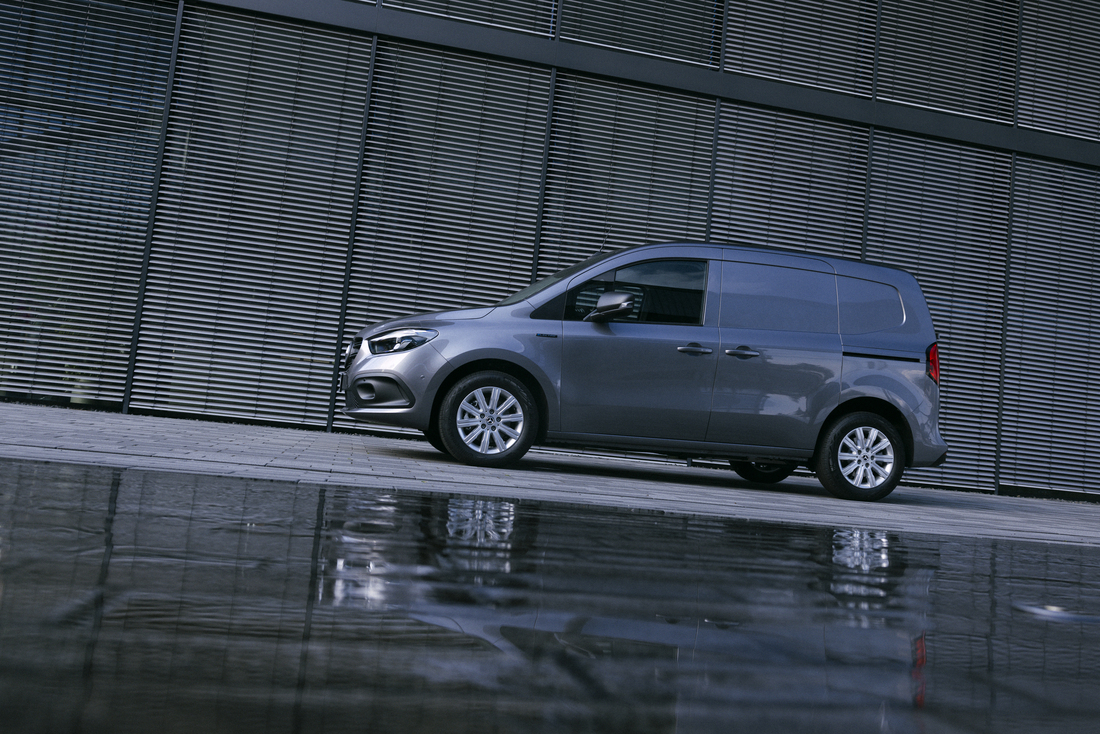
A grey Mercedes-Benz Citan parked in front of a building.

Take a minute to do a van tax check.

You’ll find different rates for some vans. Older models that comply with Euro 4 and Euro 5, for example, will qualify you for a lower payment. And there are other things that affect what you pay. These include engine size and the age of the vehicle. Find your engine details in the Mercedes-Benz owner’s manual and the registration year in your logbook VC5. Then go to the payment tables at Gov.UK or simply type in your licence plate here.

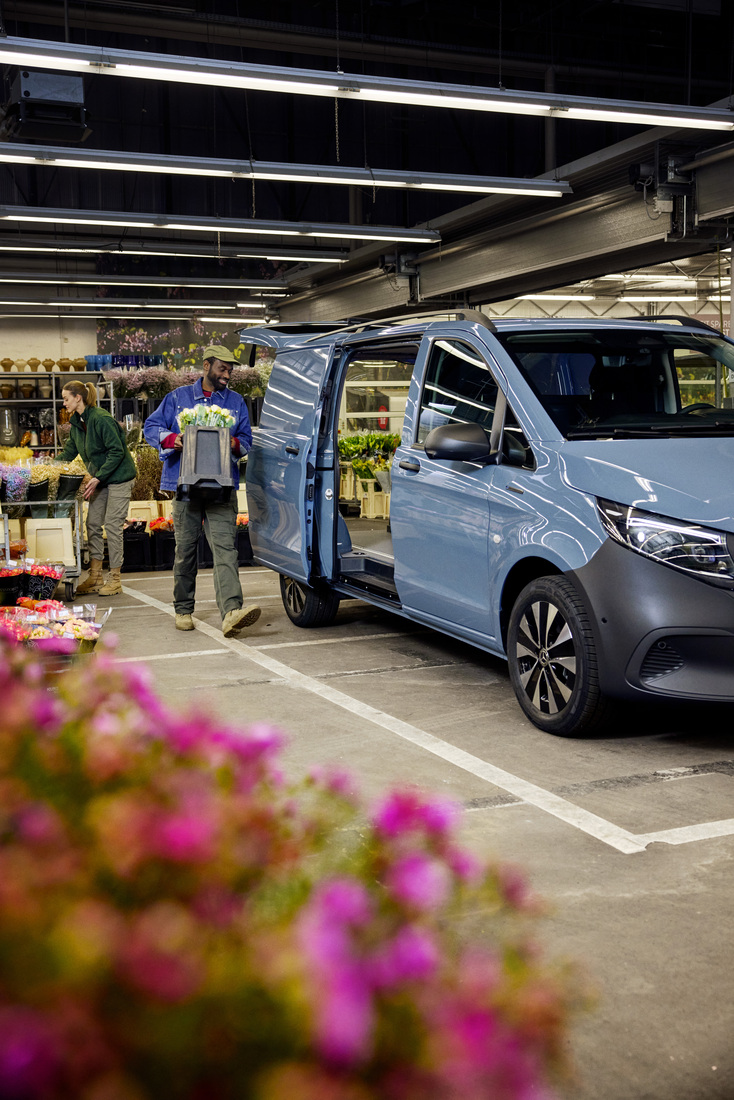
Two people loading flowers into a blue Mercedes-Benz eVito van.

The difference between car and van tax.

Van tax is usually far simpler than the tax you pay on your private car, especially in the first year. As well as their age, car rates are calculated by the type of fuel, engine size, initial selling price and, most importantly, how much carbon dioxide they pump into the atmosphere. Basically, the higher the CO2, the more car drivers pay at the start. While most Sprinter, Vito and Citan owners currently pay £345, the owner of a new car with a showroom price of £40,000 with high emissions could be paying over £1000.

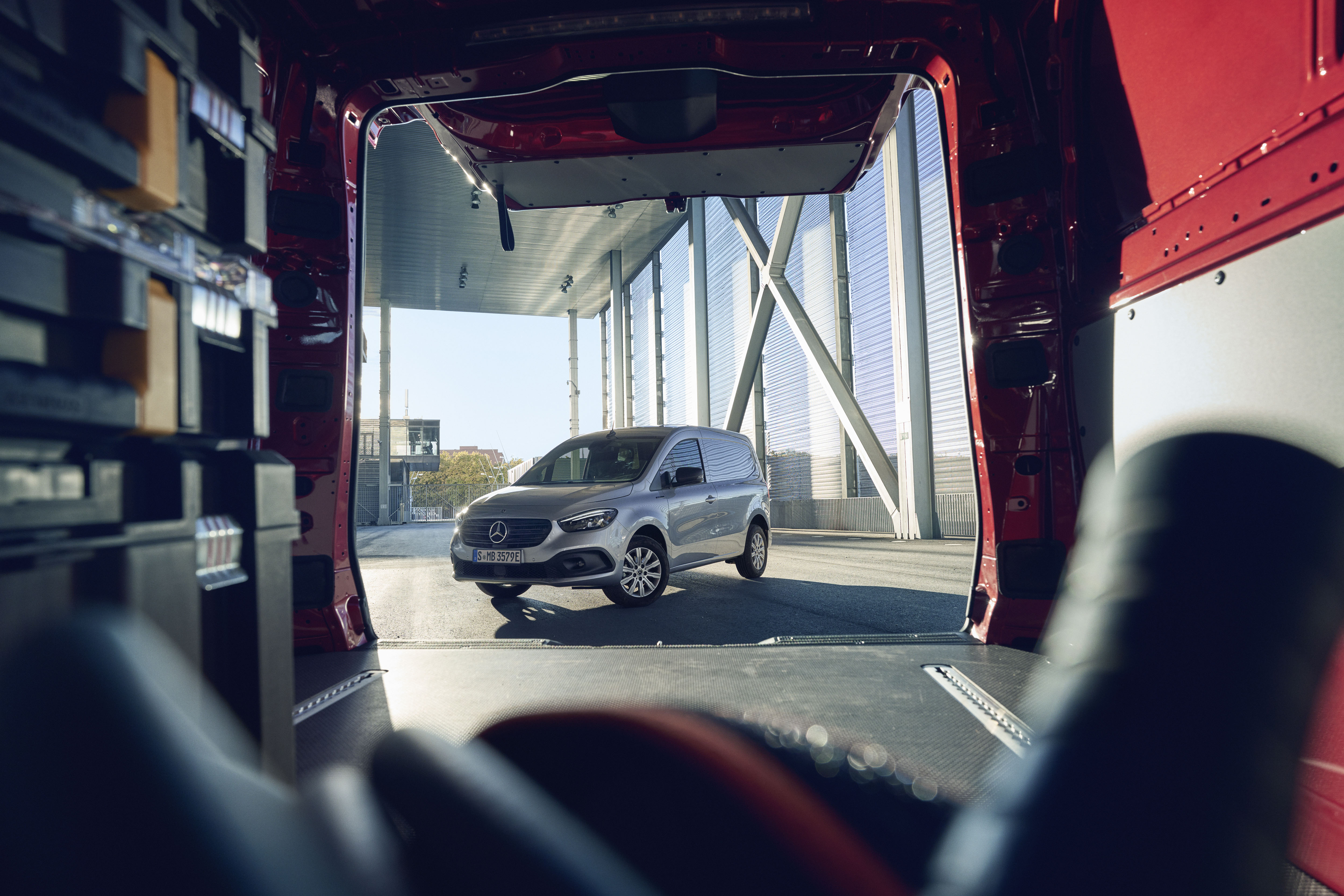
View of a Mercedes-Benz Citan van through the open rear of another Mercedes-Benz van.

What happens to owners who don’t pay their tax.

It’s a criminal offence to evade Vehicle Excise Tax and the latest number plate recognition technology makes it increasingly effective for the police to identify culprits. Official guidance states that evaders face a range of fixed penalties that include fines up to £1,000 or five times the value of the vehicle, whichever is greater. They also risk their van being clamped or towed and visits from the bailiffs. It’s likely their van insurance will no longer be valid for claims, and the publicity can do reputational damage to their business.

A person loading a white Vito van with a crate of vegetables.

Some owners don’t need to pay van road tax.

There are a few vans that are exempt from paying anything at all. Farm vehicles for example, and vans adapted for use by a disabled driver. Some historic models are also exempt. If you think your van might qualify, you need to check and register your vehicle for tax, even if you end up not paying any.

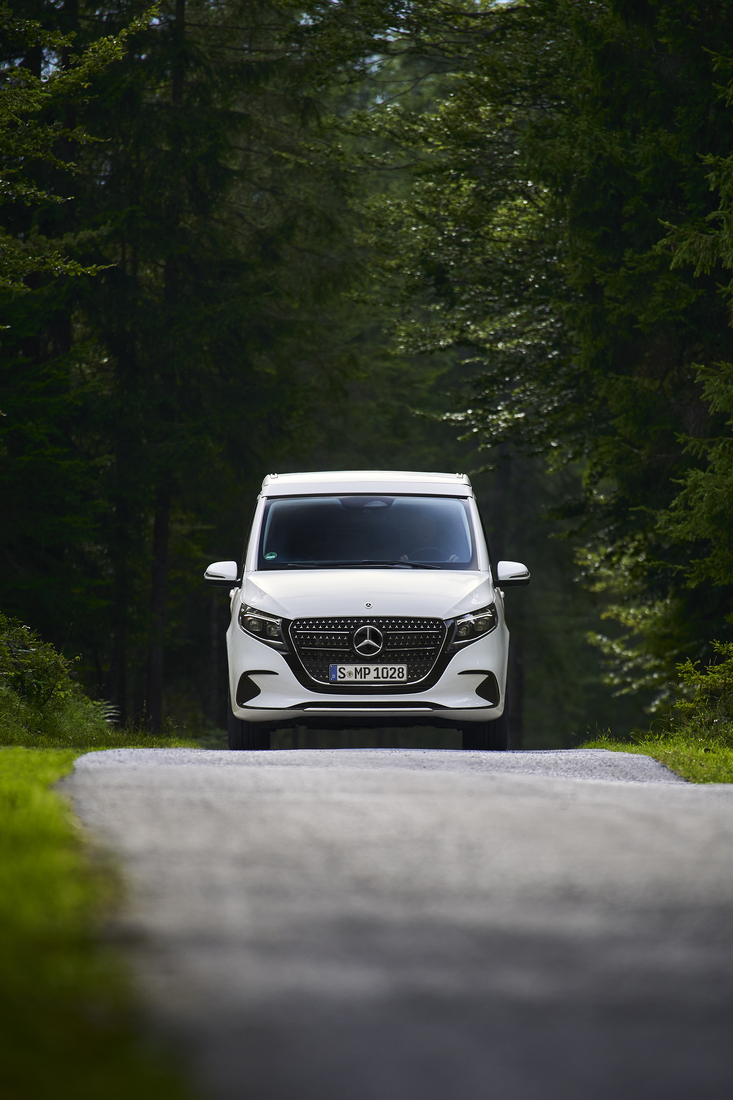
A white Mercedes-Benz MPV on the road.

Opportunities for electric van owners.

For the first time, in 2025, all-electric vans have had to start paying van tax just like petrol, diesel and hybrid light goods vehicles. However it’s worth exploring the options, grants and incentives that might still be available for your Mercedes-Benz electric, zero or low-emission van, to see if you qualify.

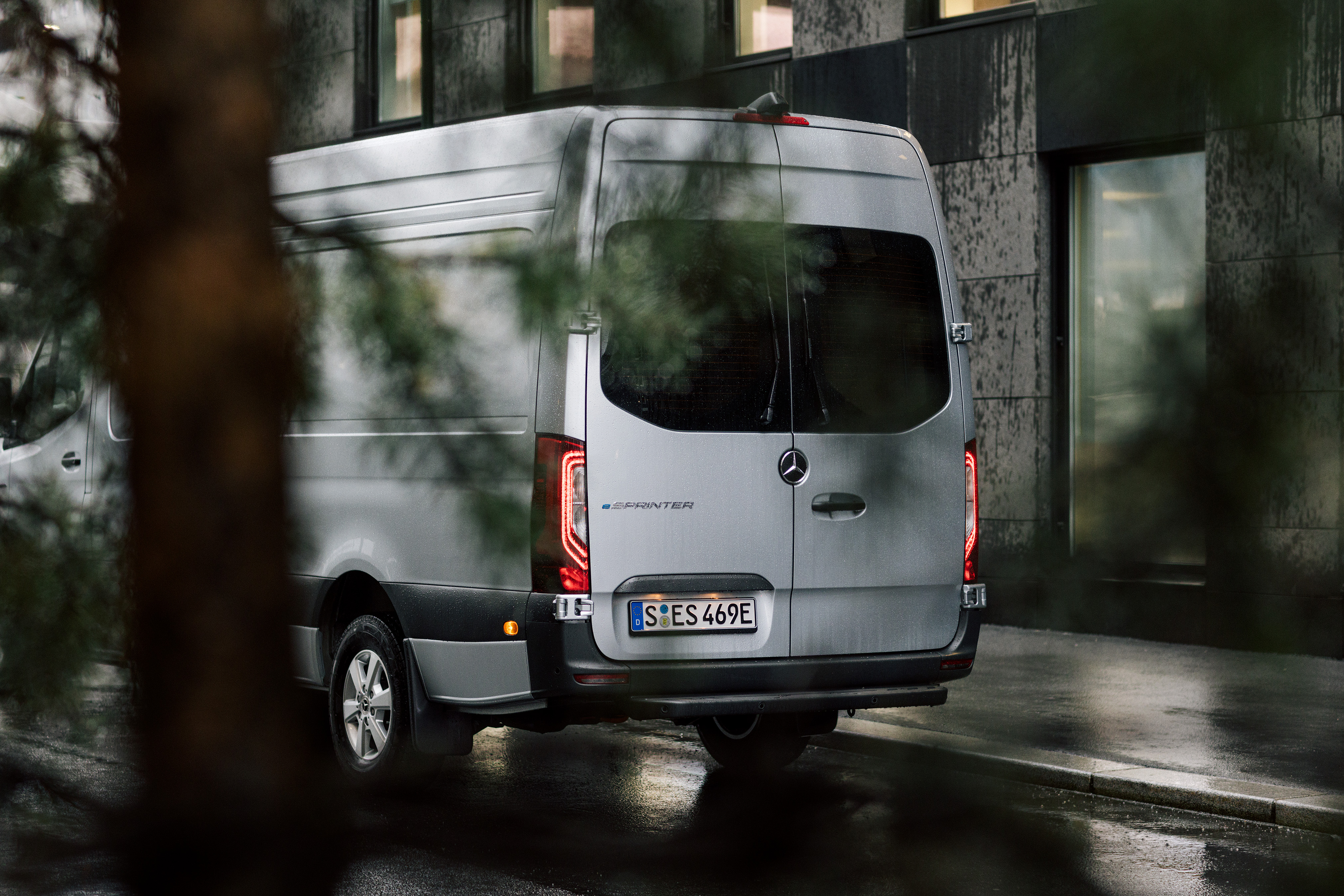
Rear view of a Mercedes-Benz eSprinter electric van.

Making van ownership simple and seamless.

At Mercedes-Benz, we’re with you every step of the way. We’ll help you choose the van that delivers best for your business, and tailor finance to help you manage cost flow. This guide helps you understand road tax, helps you build your own van tax calculator, and provides the links to find out more. A Mercedes-Benz van offers the reliability you need and says all the right things about your business. Find out more about the latest Mercedes-Benz vans and start planning the future.

A grey Mercedes-Benz Citan panel van in front of a building.

Frequently asked questions about van tax.

Your van may well be tax deductible if you use it for your business. This means you may be able to claim the cost of buying, running, and maintaining it. Keep good records of your expenses and remember the rules may vary depending on whether you’re self-employed or a limited company. You cannot reclaim commercial vehicle tax already paid. Always check with HMRC or your usual financial adviser for your specific situation.

When you sell your van, your road tax stays with you until you get in touch with the DVLA. At this point your tax will be cancelled automatically and you’ll get a refund for any full months left on your payments. The new owner should tax the van themselves before they drive it away.

If you’re not using your van (maybe it’s off for repairs or in storage), simply complete a SORN (Statutory Off-Road Notification) on the DVLA website. Once you’ve done this, you don’t have to pay road tax or insure the van while it’s off the road. Remember, you can’t drive or park it on a public road until you tax it again. Keep it on your premises or other private land.

If your van is sold, swapped, scrapped or written off, exported abroad or registered exempt, completing a SORN online is all that’s required. You’ll need your V5C logbook or the reference number from your tax reminder letter and you’ll receive a refund for any full months left on your tax.