
0 of 0 vehicles
0 of 0 vehicles
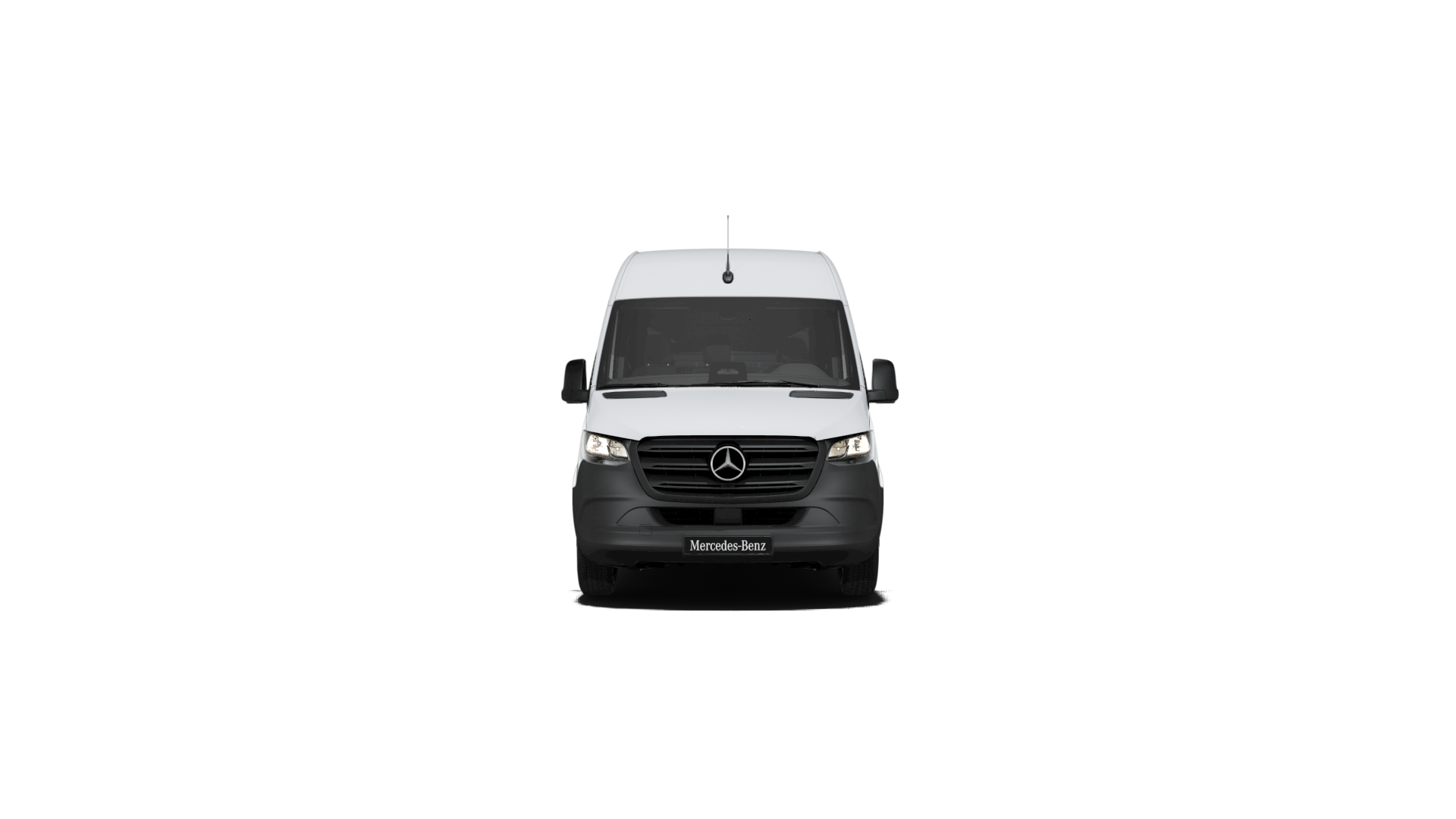
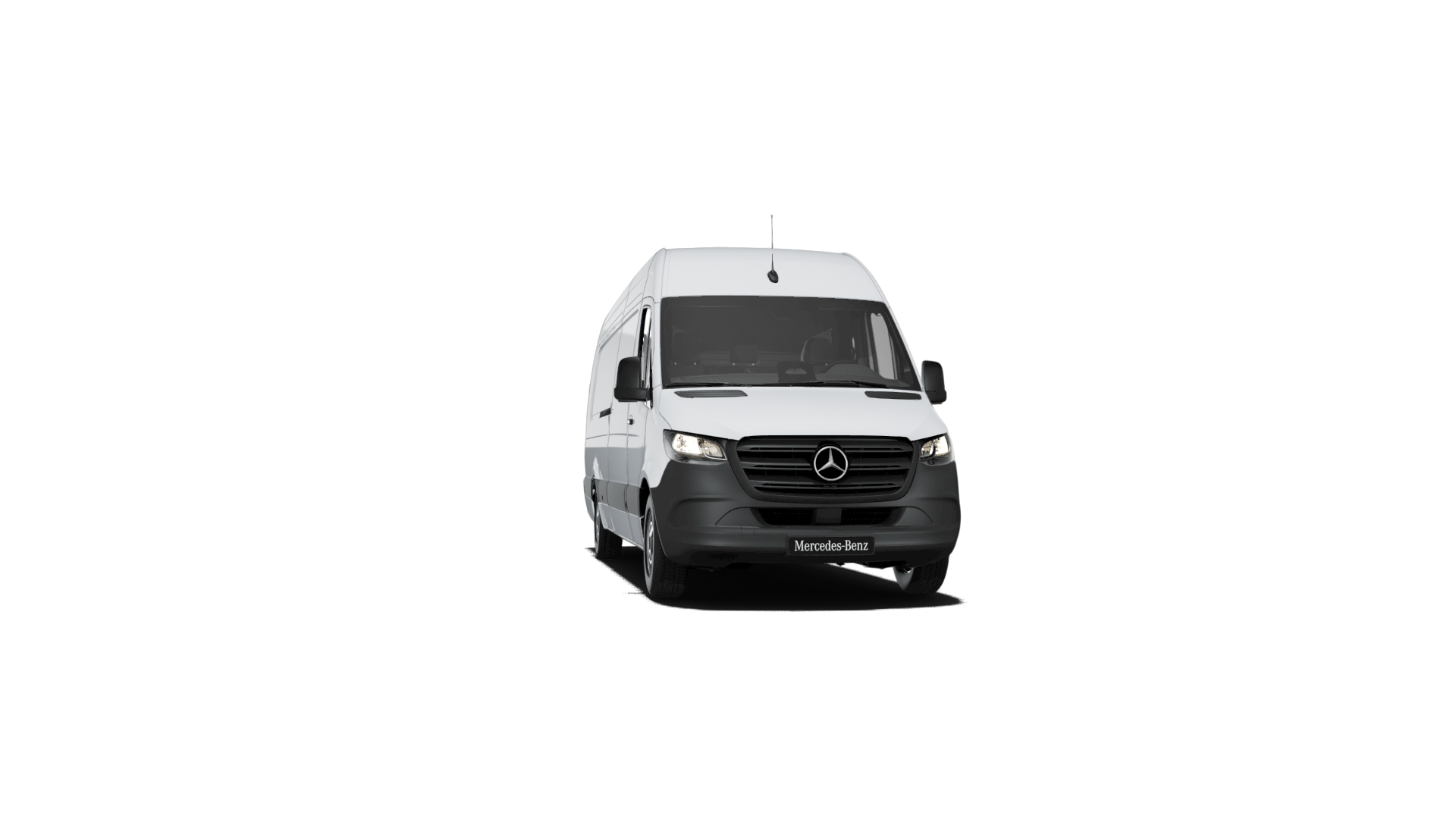
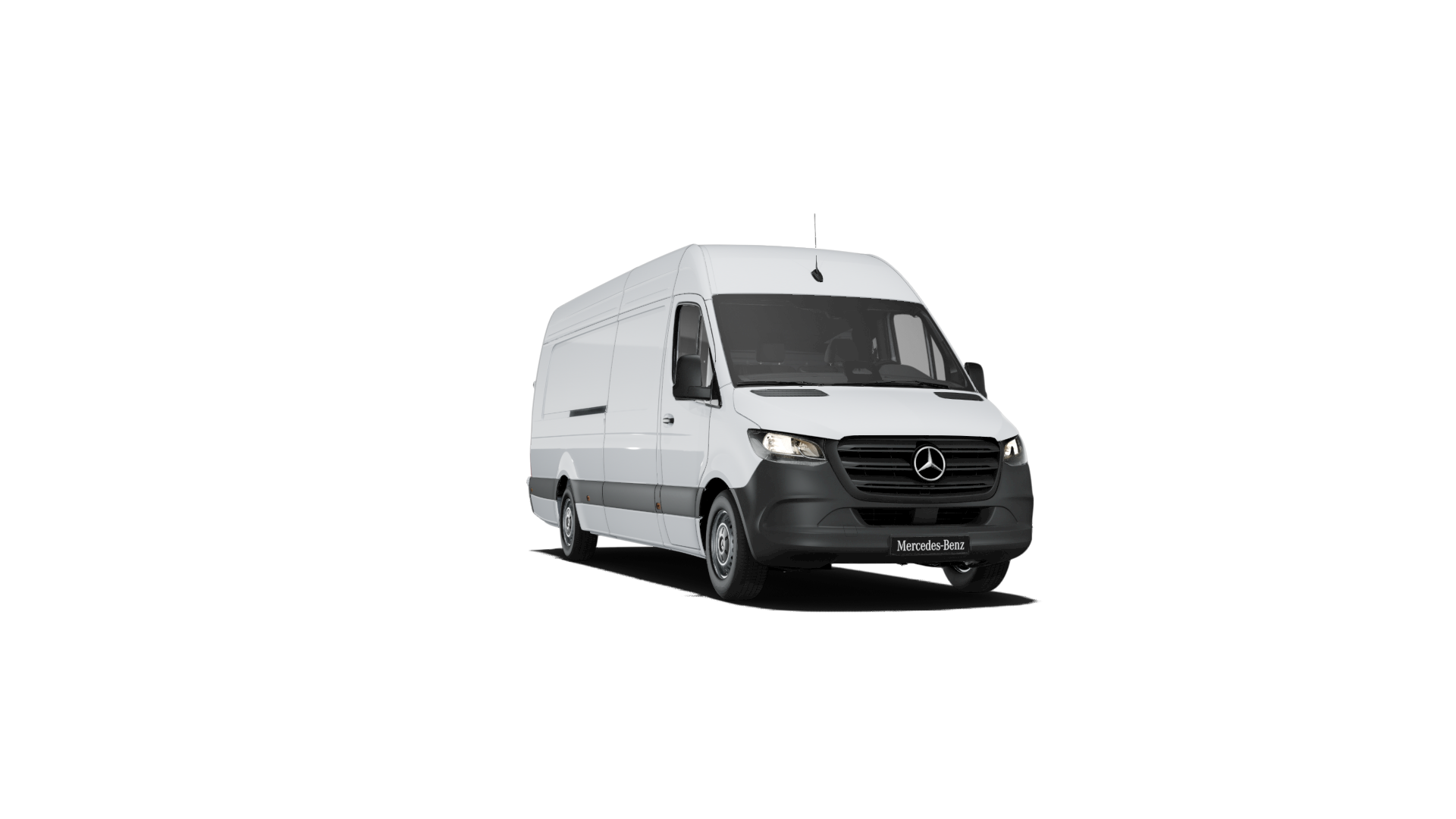
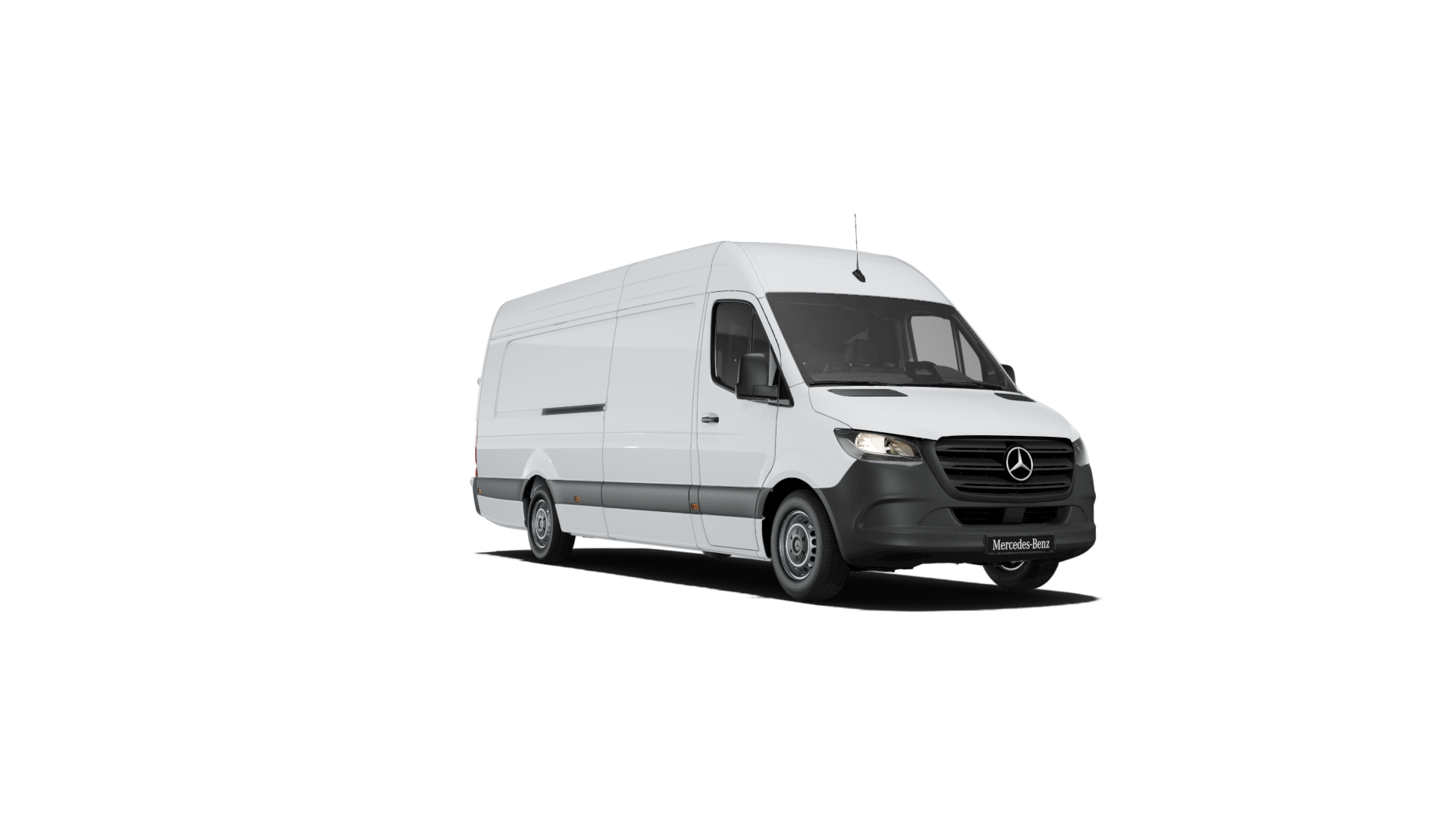
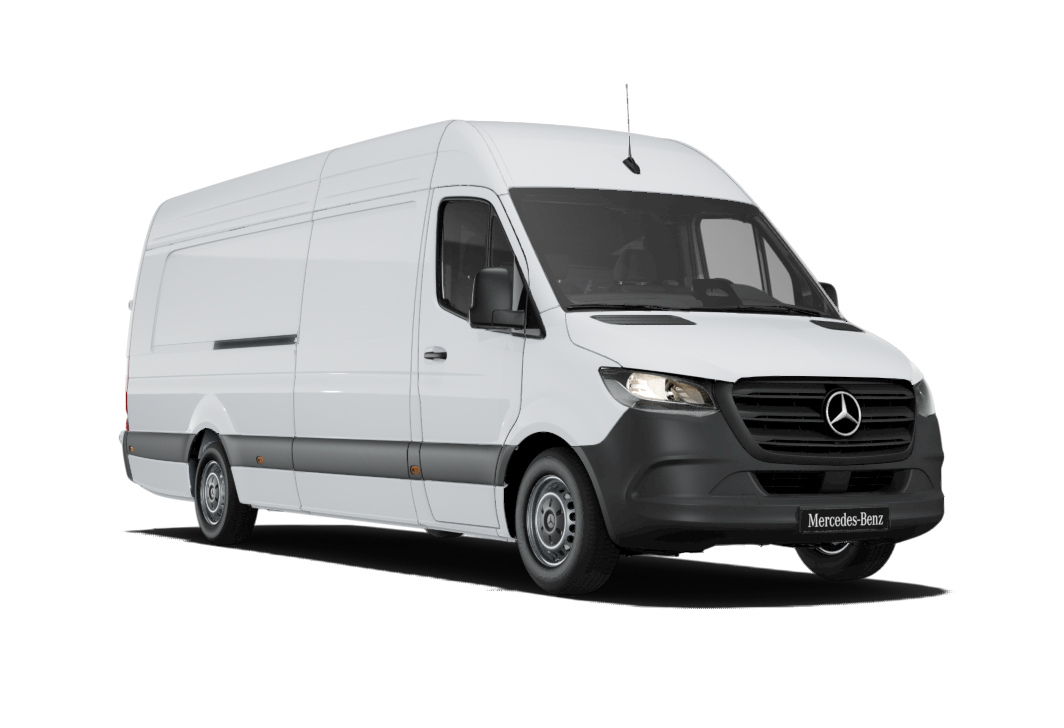
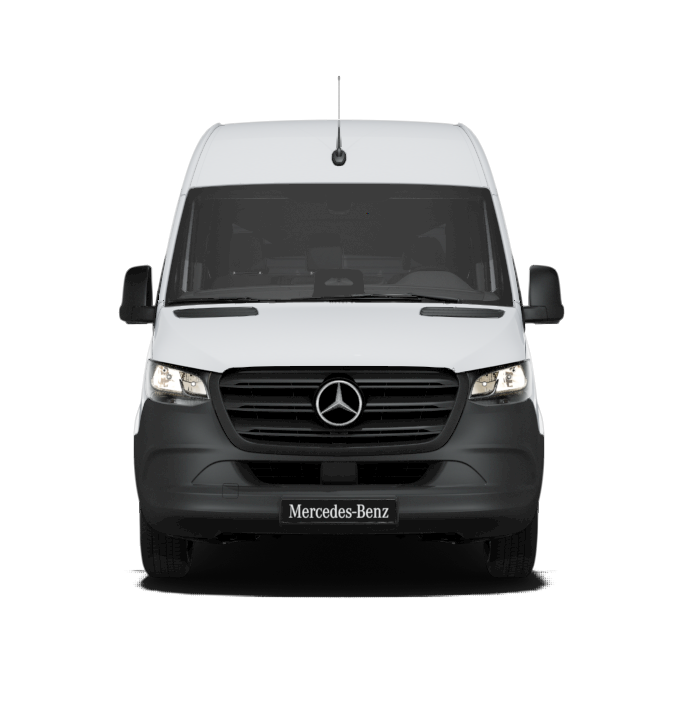
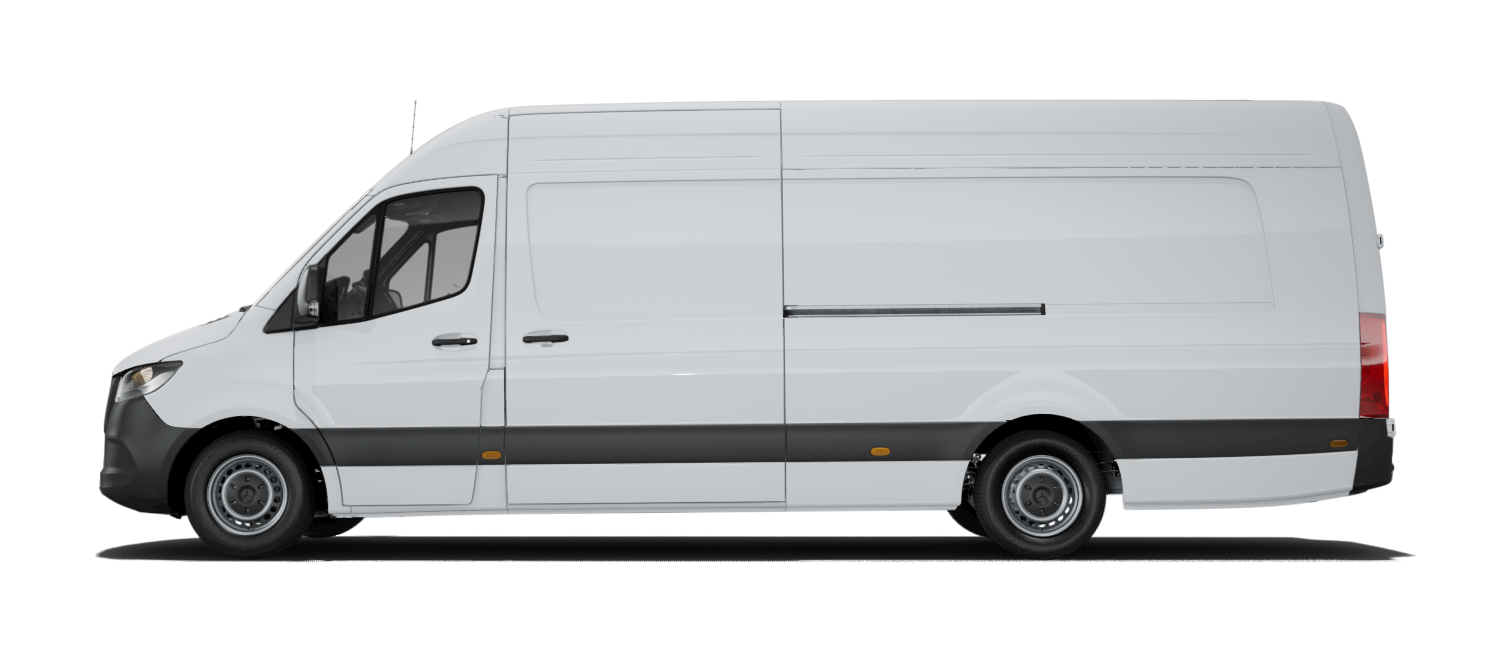
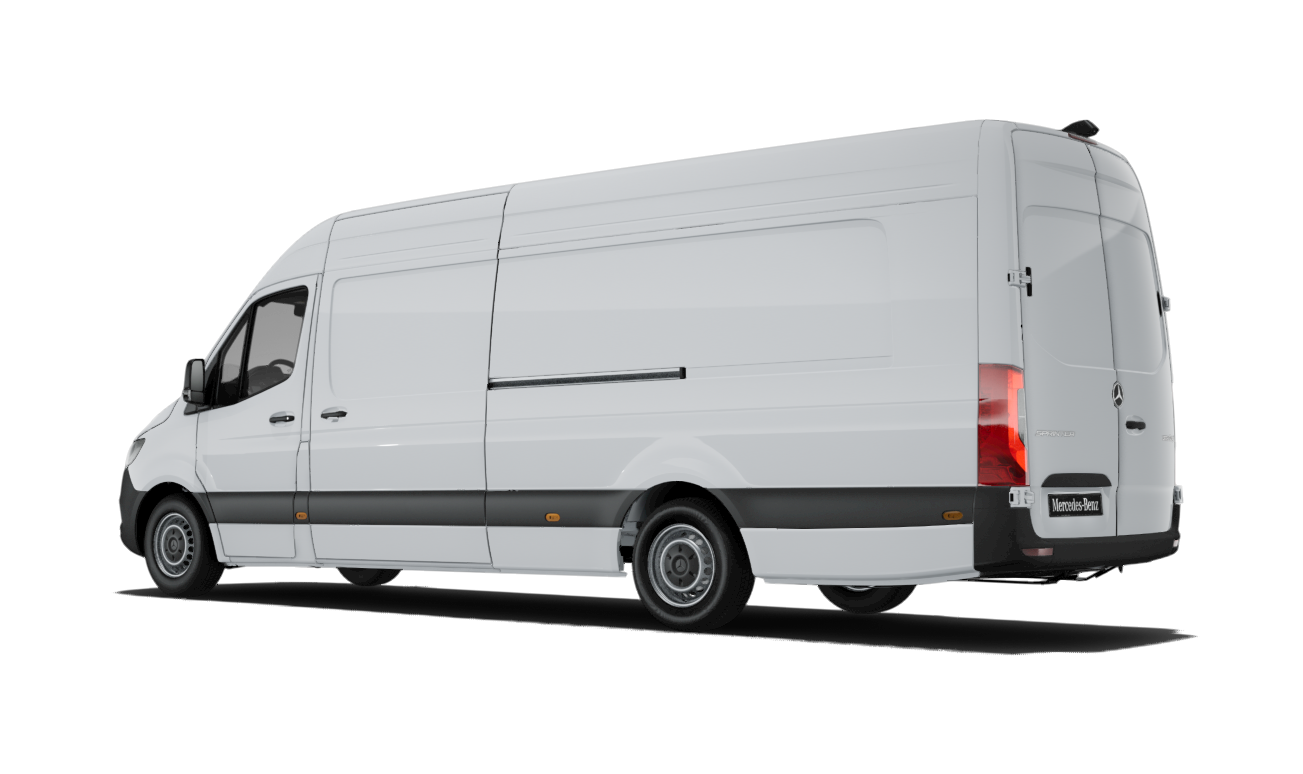
315 Van L4 H2 PRO RWD
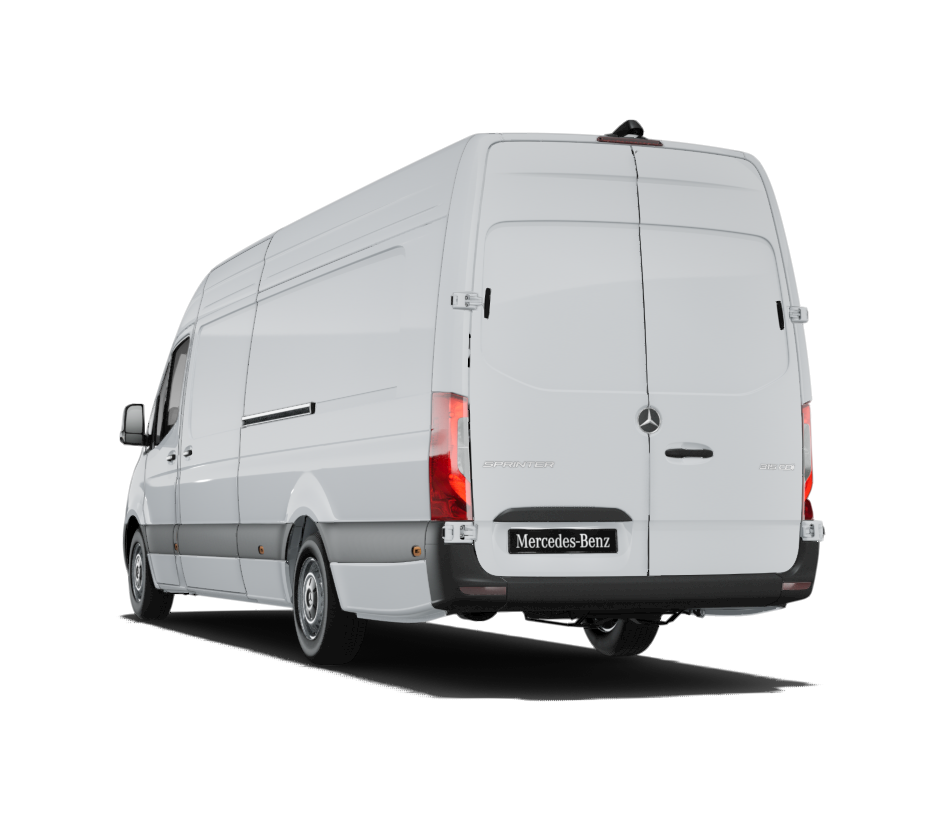
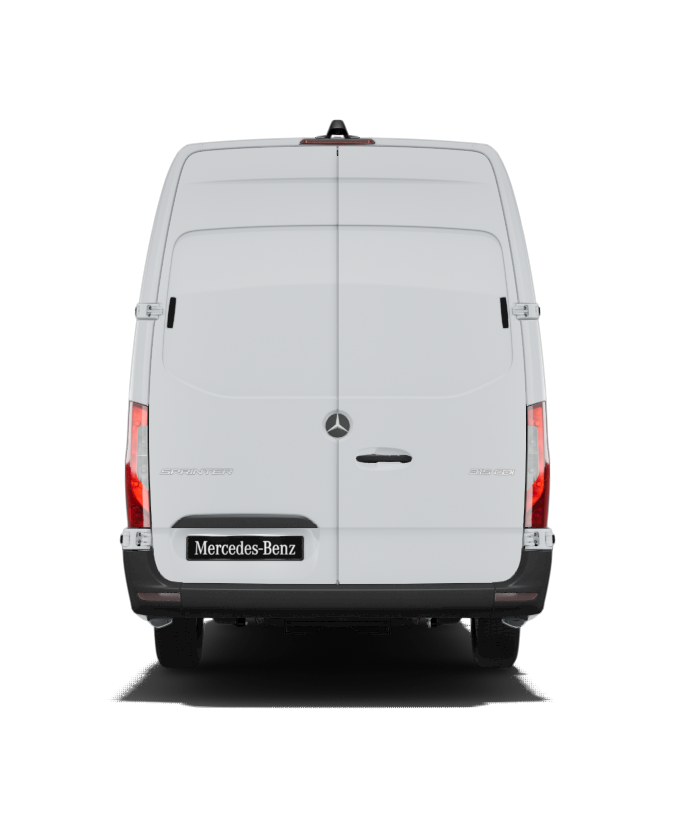
Make a vehicle deposit
Make an enquiry
Technical Data
The unique quality of this vehicle is based on various technical aspects. Review its specific values and see if they suit you and your requirements.
- Engine
- Sprinter 315
- Doors
- 4
- Seats
- 3
- Body Type
- Panel Van
- Brand
- Mercedes-Benz
- Model
- Sprinter
- Model Description
- 315 Van L4 H2 PRO RWD
- Type Class
- P907
- Baumuster
- 90763723
- Tank capacity (series)
- 93 l
- Length
- 7,367 mm
- Width (with mirrors)
- 2,345 mm
- Height
- 2,613 mm
- Wheel base
- 4,325 mm
- Width (without mirrors)
- 2,020 mm
- Load compartment length
- 4,810 mm
- Load compartment width
- 1,787 mm
- Load compartment height
- 2,009 mm
- Payload (EU)
- 1,170 kg
- Perm. gross vehicle weight
- 3,500 kg
- Kerb weight (EU)
- 2,330 kg
- Maximum trailing load without brakes
- 750 kg
- Front axle load
- 1,860 kg
- Rear axle load
- 2,250 kg
- Drive type
- Rear-wheel drive
- Fuel Type
- Diesel
- Power
- 110 kW (150 HP)
- Engine size
- 1,950 cm³
- Top speed
- 158 km/h
- Torque
- 340 Nm
- System output in kW
- 110 kW
- System output in hp
- 150 HP
- Cylinder
- 4
- Transmission
- Manual
- Number of gears
- 6
- Engine Concept
- Diesel
- Total CO2 emission (combined operation)
- 232 g/km
- Total consumption (combined operation)
- 32.1 mpg
Since September 1, 2017, certain new vehicles have been type-approved in accordance with the Worldwide Harmonised Light Vehicles Test Procedure (WLTP), a more realistic test procedure for measuring fuel consumption and CO2 emissions. Since September 1, 2018, the WLTP has been gradually replacing the new European driving cycle (NEDC). Due to the more realistic test conditions, the fuel consumption and CO2 emission values measured according to the WLTP are in many cases higher than those measured according to the NEDC. This can result in corresponding changes in vehicle taxation. Currently, the NEDC values are still mandatory to communicate. As far as new vans are concerned that are type-approved according to WLTP, the NEDC values are derived from the WLTP values. The additional specification of the WLTP values can be made voluntarily until they are required to be used.