
0 of 0 vehicles
0 of 0 vehicles
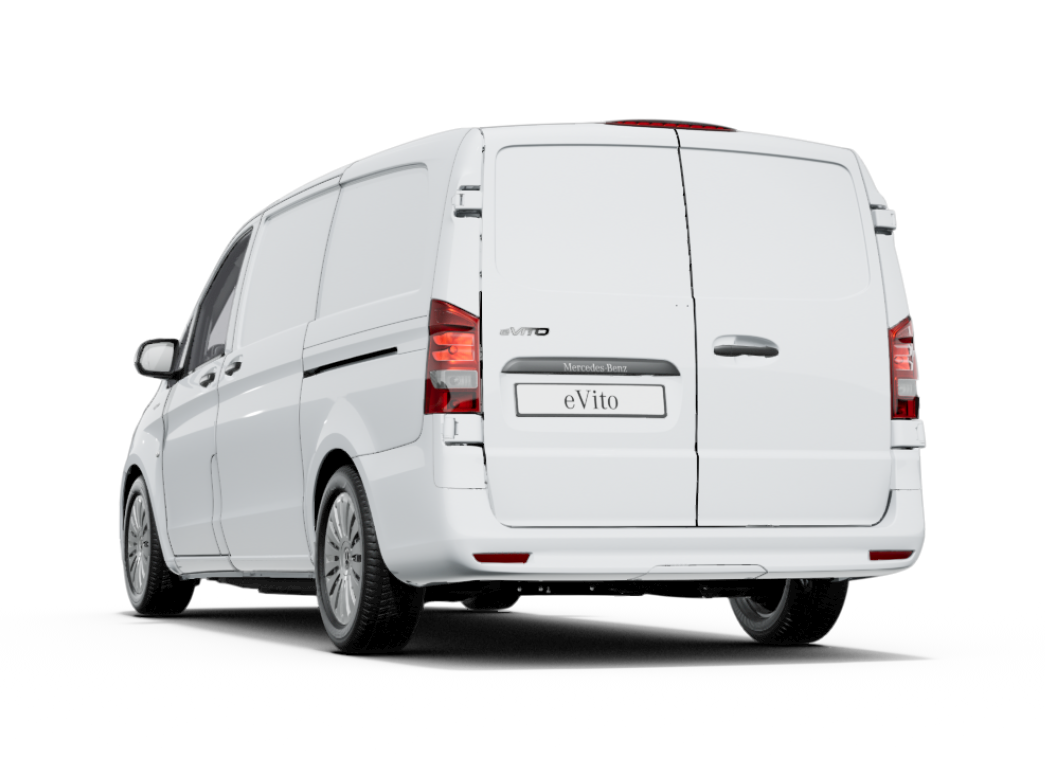
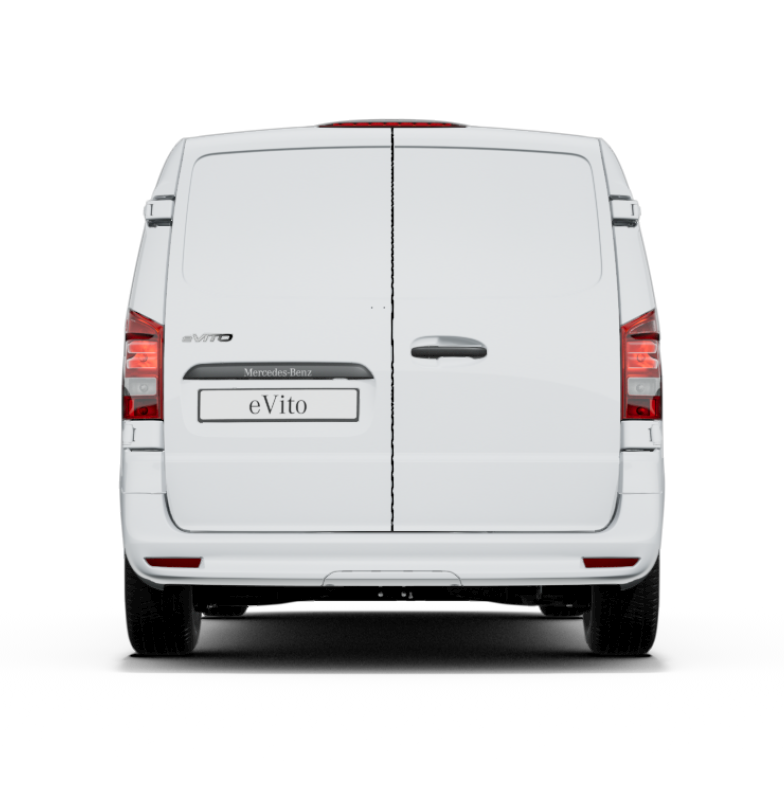
eVito Van PRO L2
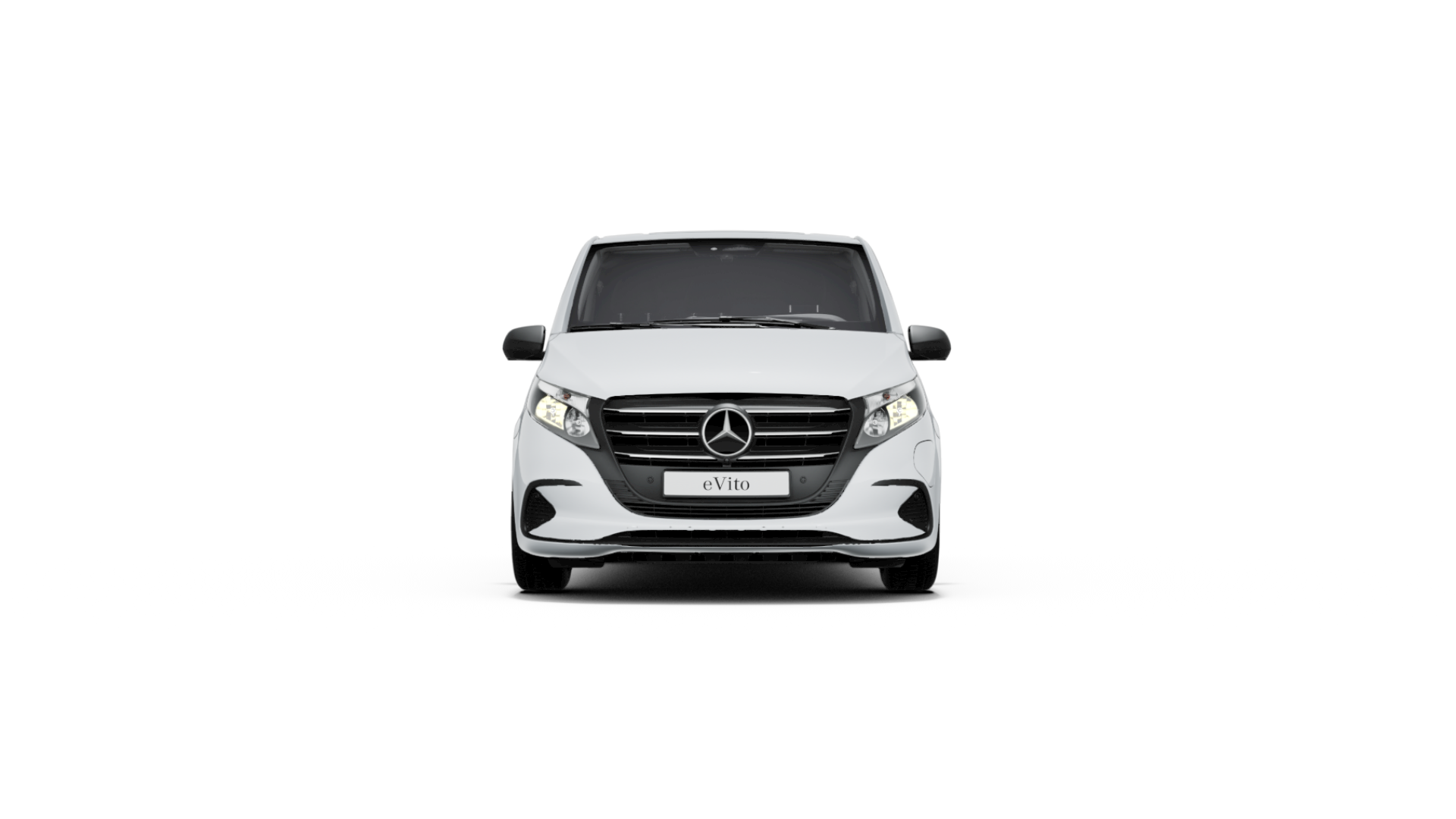
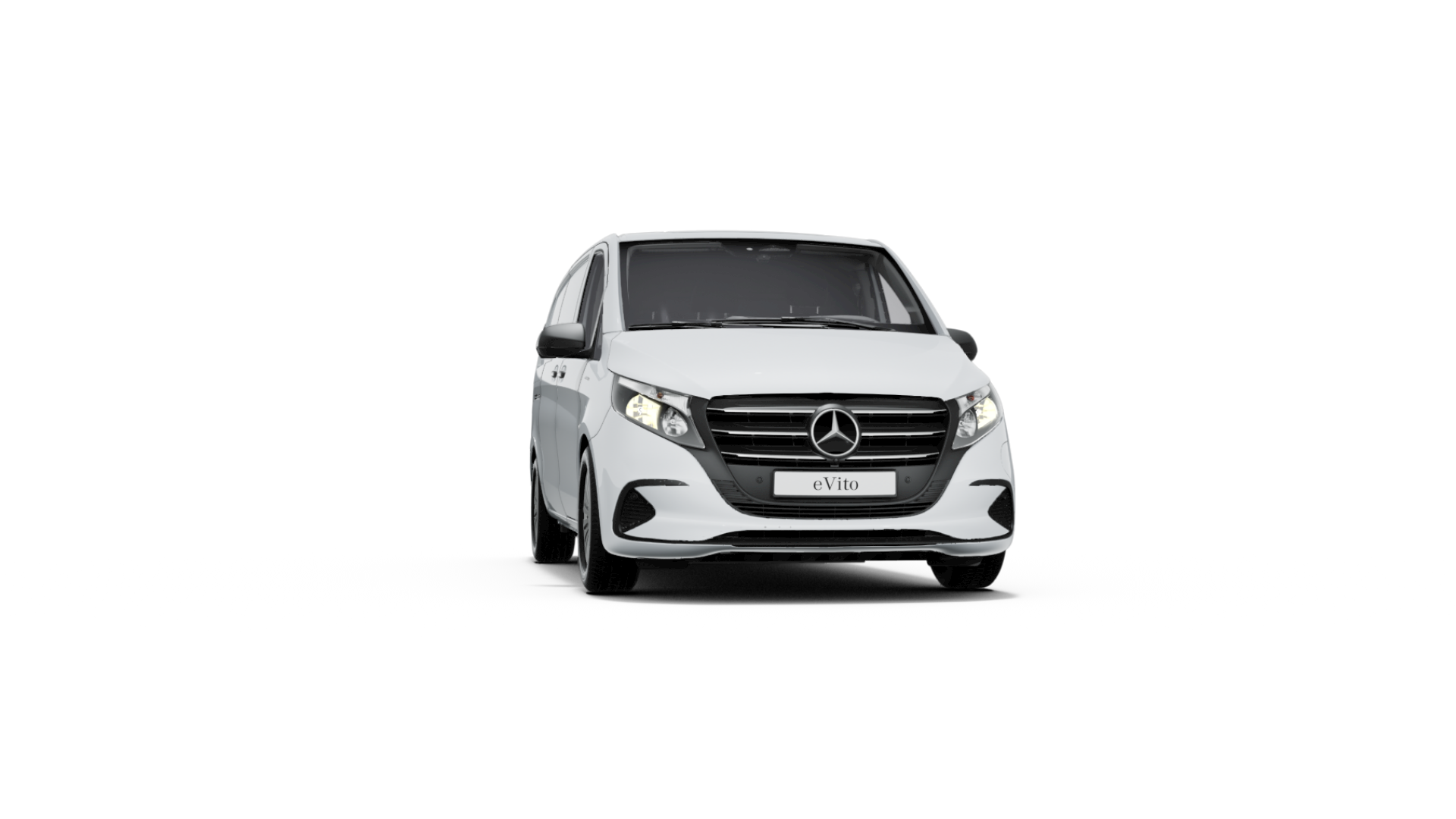
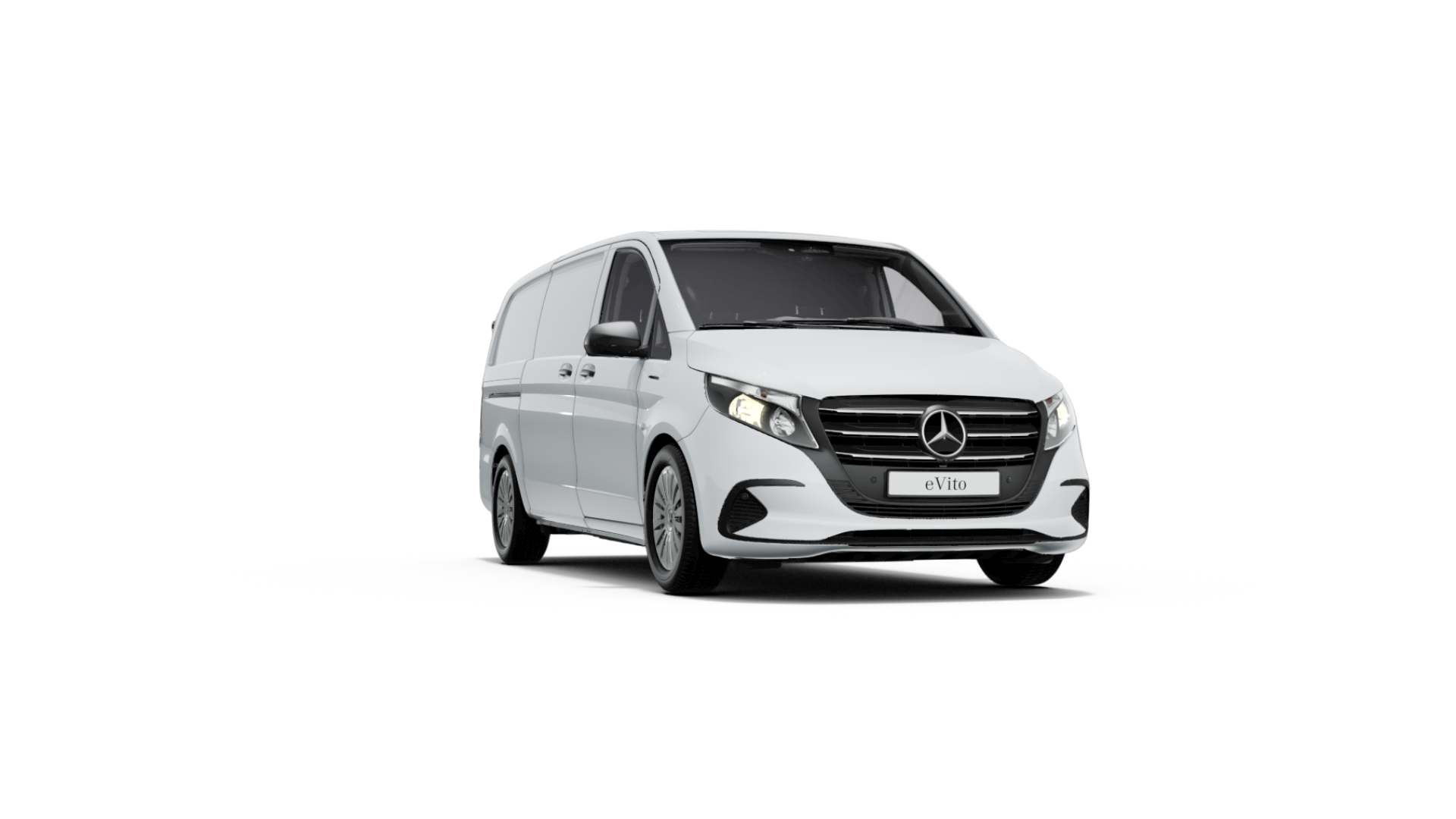
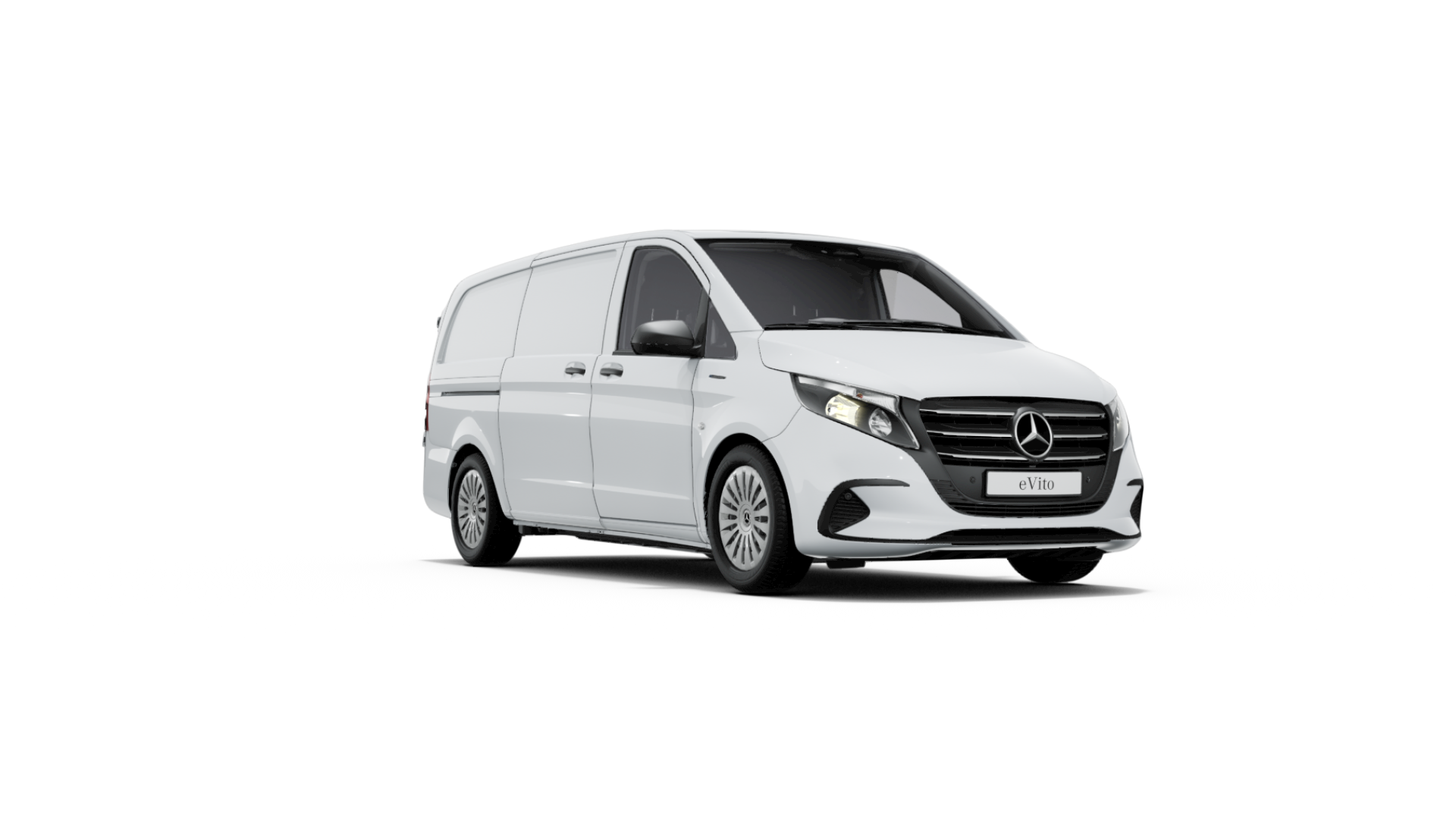
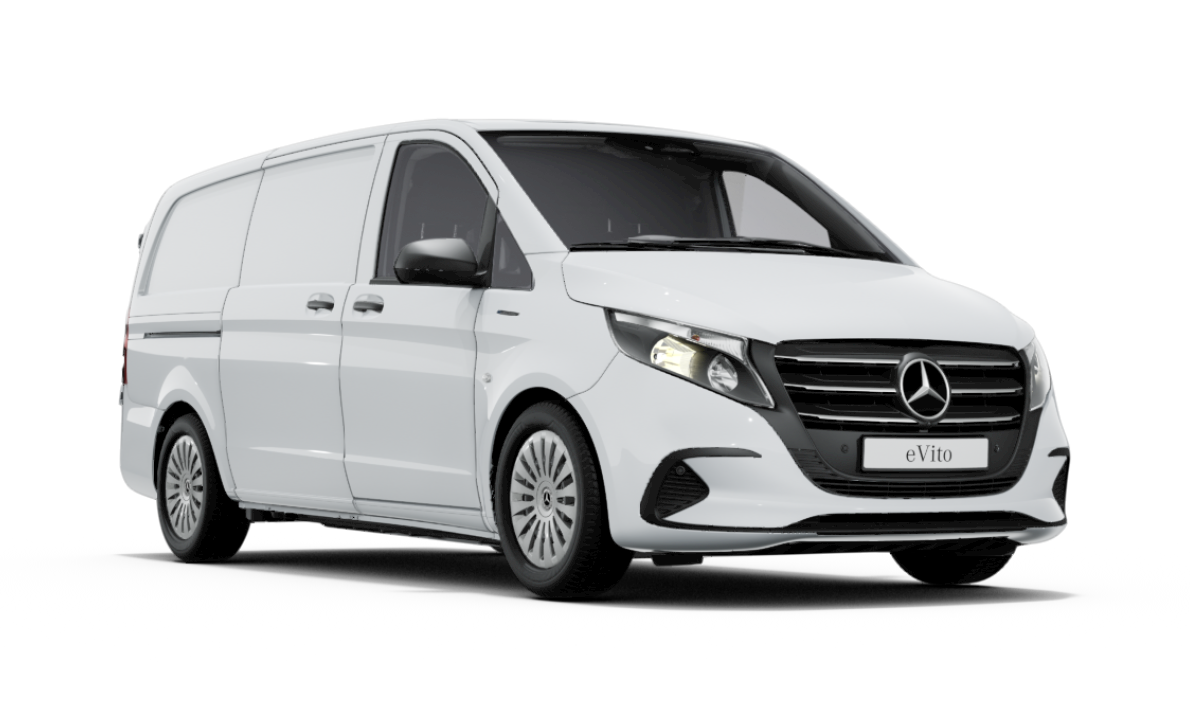
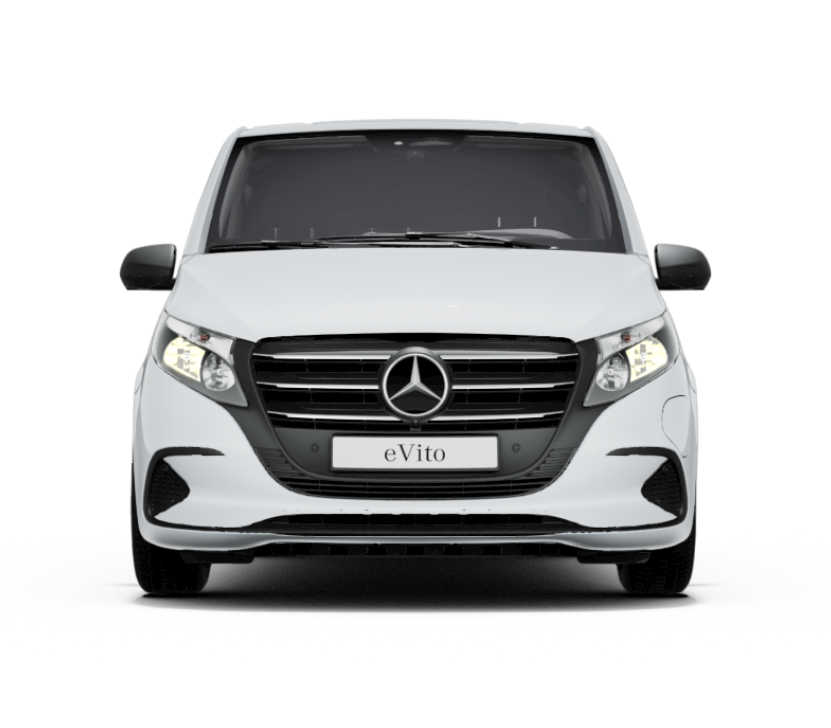
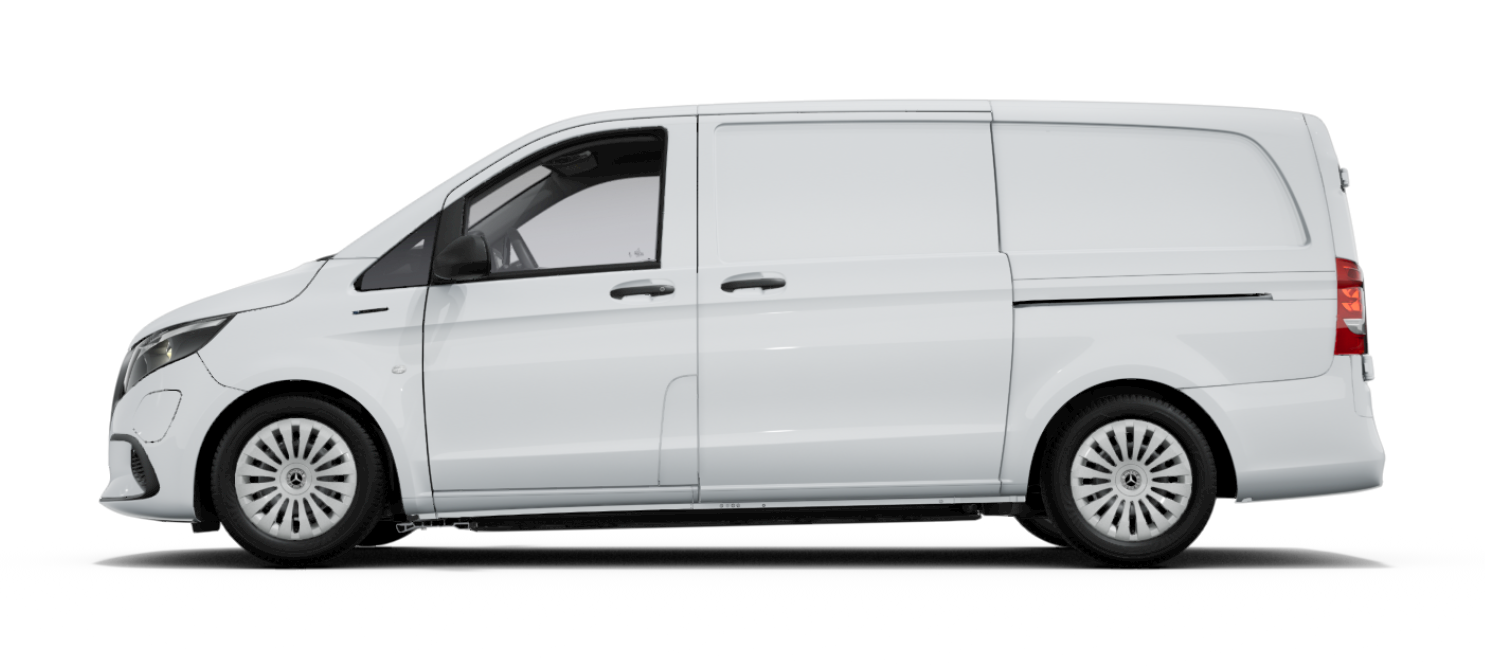
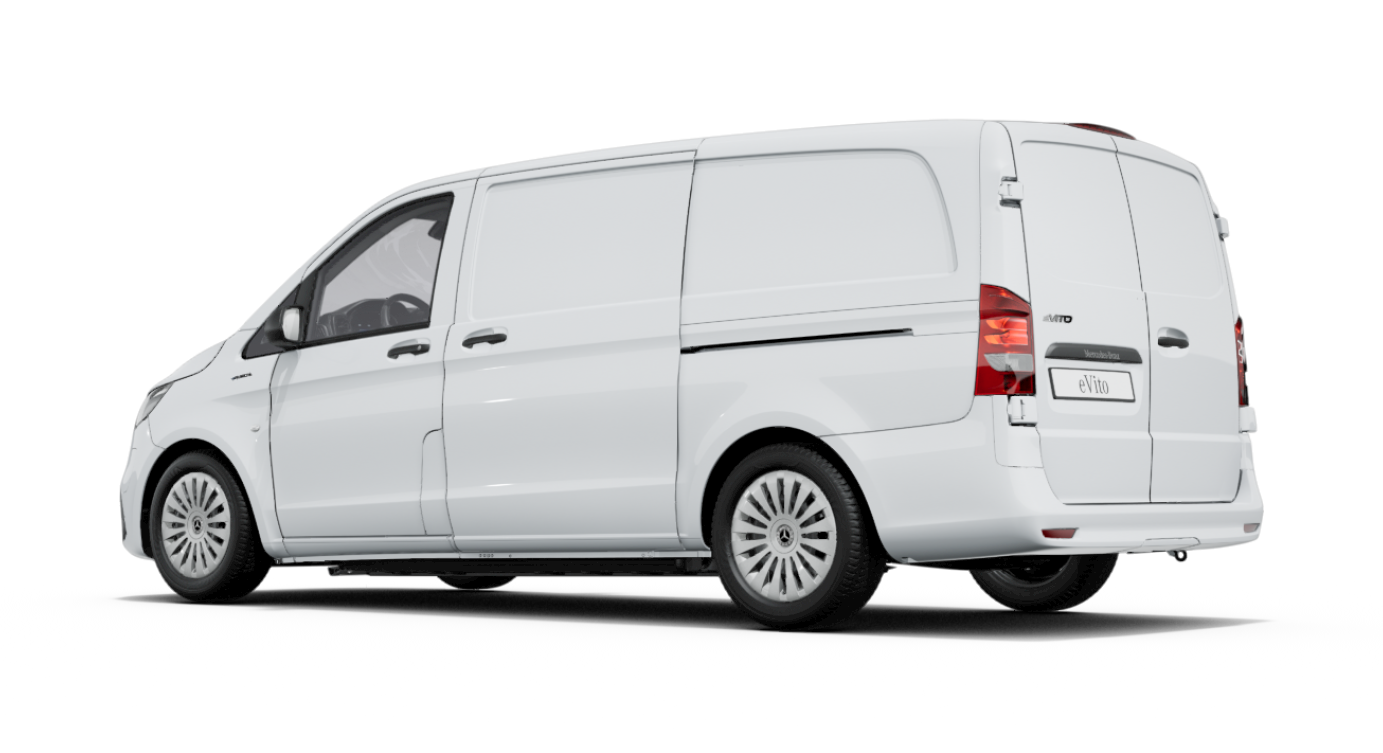
Make a vehicle deposit
Make an enquiry
Technical Data
The unique quality of this vehicle is based on various technical aspects. Review its specific values and see if they suit you and your requirements.
- Engine
- eVito 112
- Doors
- 5
- Seats
- 3
- Body Type
- Panel Van
- Brand
- Mercedes-Benz
- Model
- Vito
- Model Description
- eVito Van PRO L2
- Type Class
- I447
- Baumuster
- 44760323
- Turning circle
- 12.9 m
- Length
- 5,140 mm
- Width (with mirrors)
- 2,244 mm
- Height
- 1,941 mm
- Wheel base
- 3,200 mm
- Width (without mirrors)
- 1,928 mm
- Width (retracted mirrors)
- 2,060 mm
- Load compartment length
- 2,831 mm
- Load compartment width
- 1,685 mm
- Load compartment height
- 1,391 mm
- Payload (EU)
- 915 kg
- Perm. gross vehicle weight
- 3,200 kg
- Kerb weight (EU)
- 2,285 kg
- Front axle load
- 1,700 kg
- Rear axle load
- 1,750 kg
- Drive type
- Front-wheel drive
- Fuel Type
- Electric
- Power
- 85 kW (116 HP)
- Top speed
- 120 km/h
- System output in kW
- 85 kW
- System output in hp
- 116 HP
- Transmission
- Automatic
- Number of gears
- 1
- Engine Concept
- Electric
- Electrical range - WLTP
- 158 miles
- Battery capacity
- 177 Ah
- Maximum charging capacity AC
- 11 kW
- Maximum charging capacity DC
- 80 kW
- Charging time AC 0%-100% at wallbox/public charging stations
- 6.25 h
- DC charging time 10%-80%
- 50 min
- Usable energy content of battery
- 62 kWh
- Total CO2 emission (combined operation)
- 0 g/km
- Power consumption
- 17 kWh/100mi
- Electric range
- 158 miles
Since September 1, 2017, certain new vehicles have been type-approved in accordance with the Worldwide Harmonised Light Vehicles Test Procedure (WLTP), a more realistic test procedure for measuring fuel consumption and CO2 emissions. Since September 1, 2018, the WLTP has been gradually replacing the new European driving cycle (NEDC). Due to the more realistic test conditions, the fuel consumption and CO2 emission values measured according to the WLTP are in many cases higher than those measured according to the NEDC. This can result in corresponding changes in vehicle taxation. Currently, the NEDC values are still mandatory to communicate. As far as new vans are concerned that are type-approved according to WLTP, the NEDC values are derived from the WLTP values. The additional specification of the WLTP values can be made voluntarily until they are required to be used.