
0 of 0 vehicles
0 of 0 vehicles
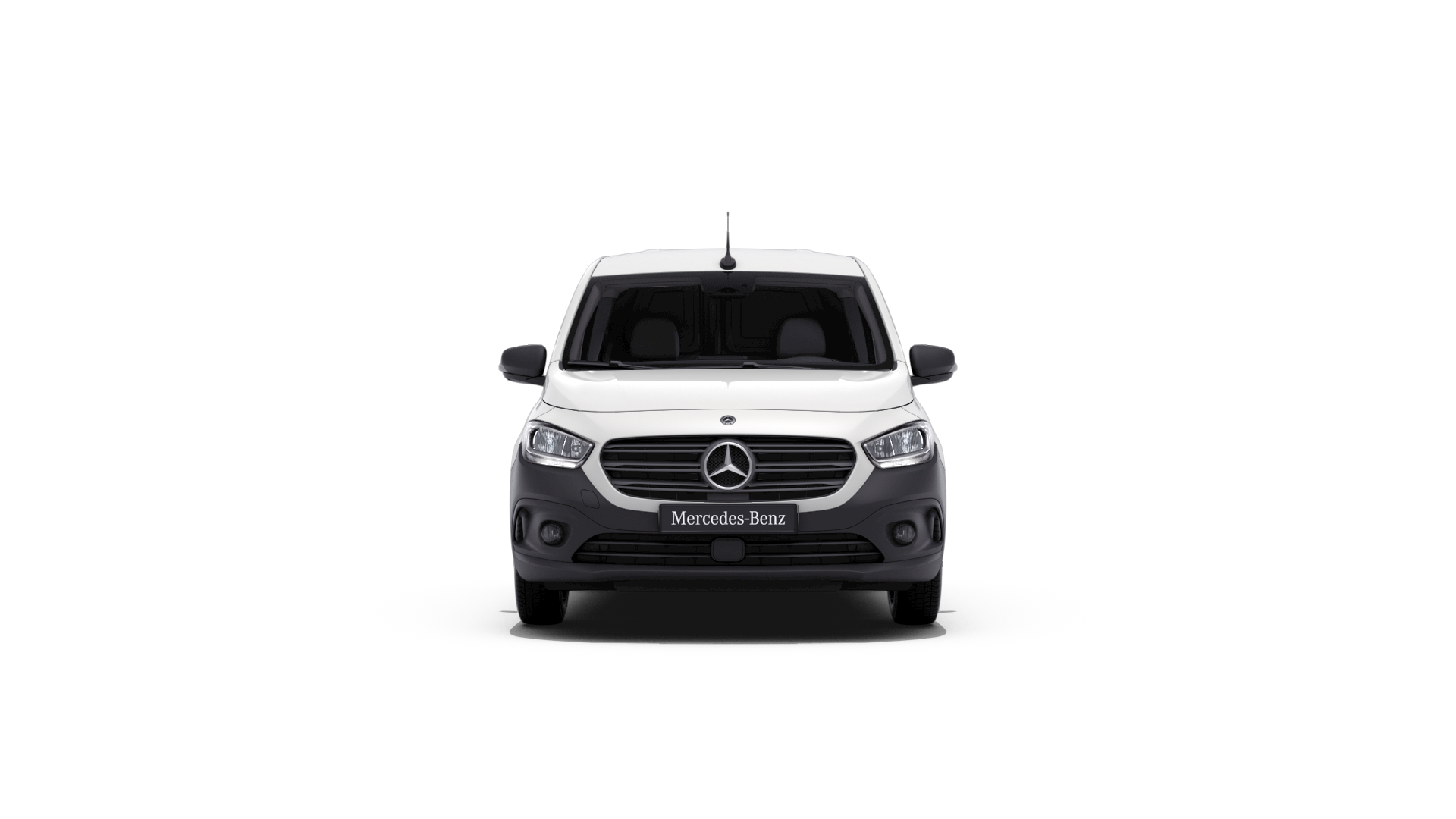
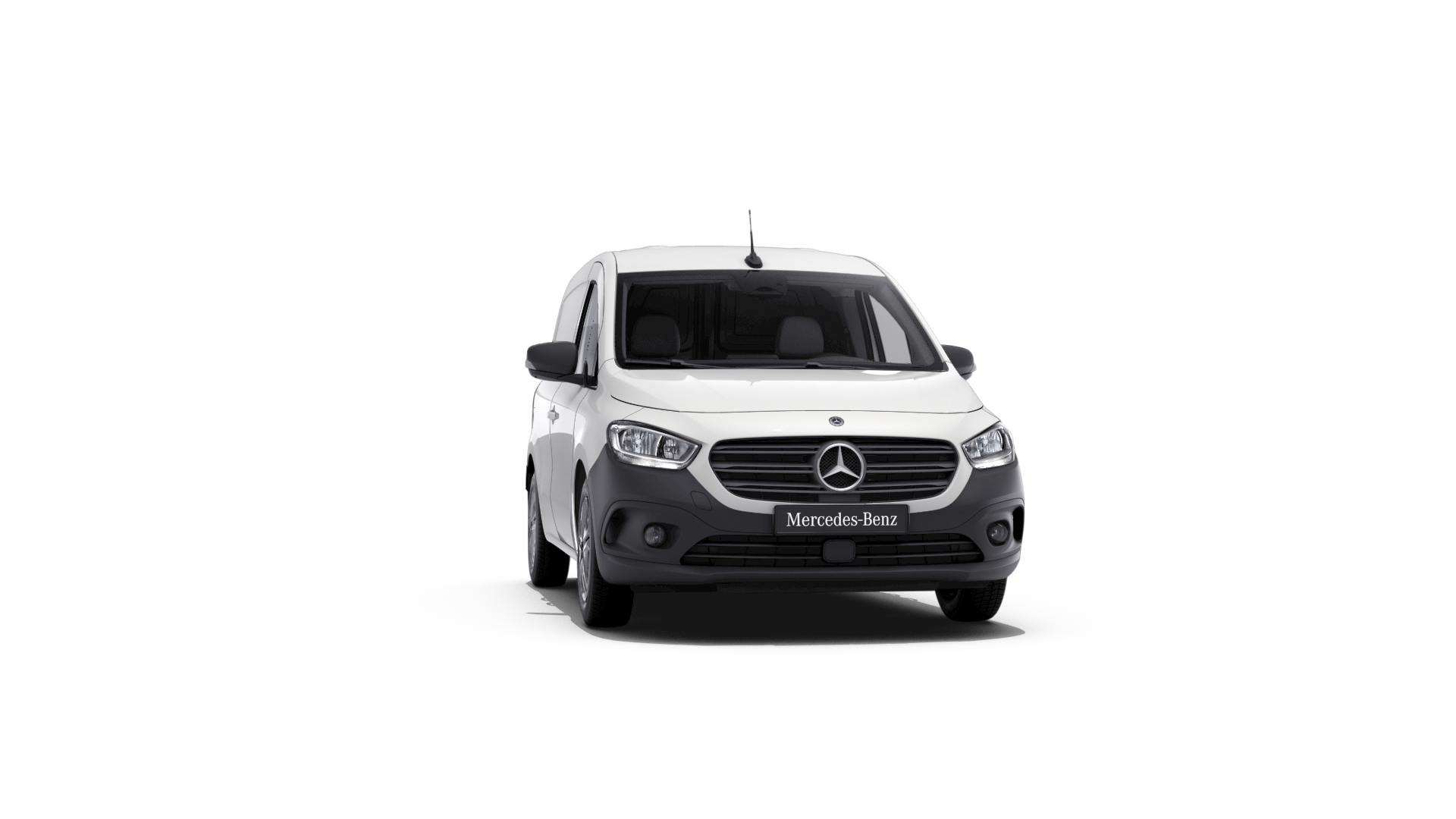
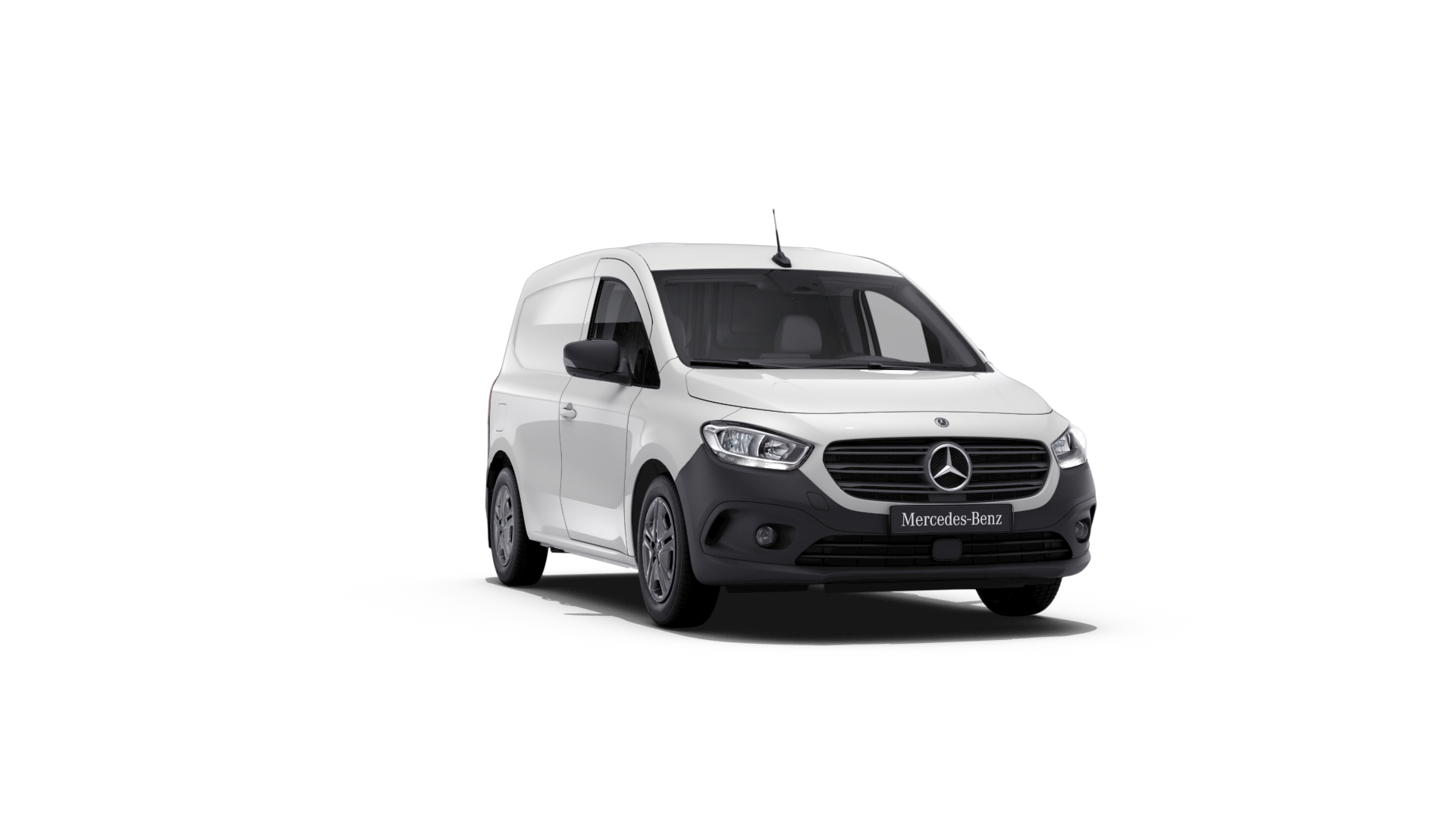
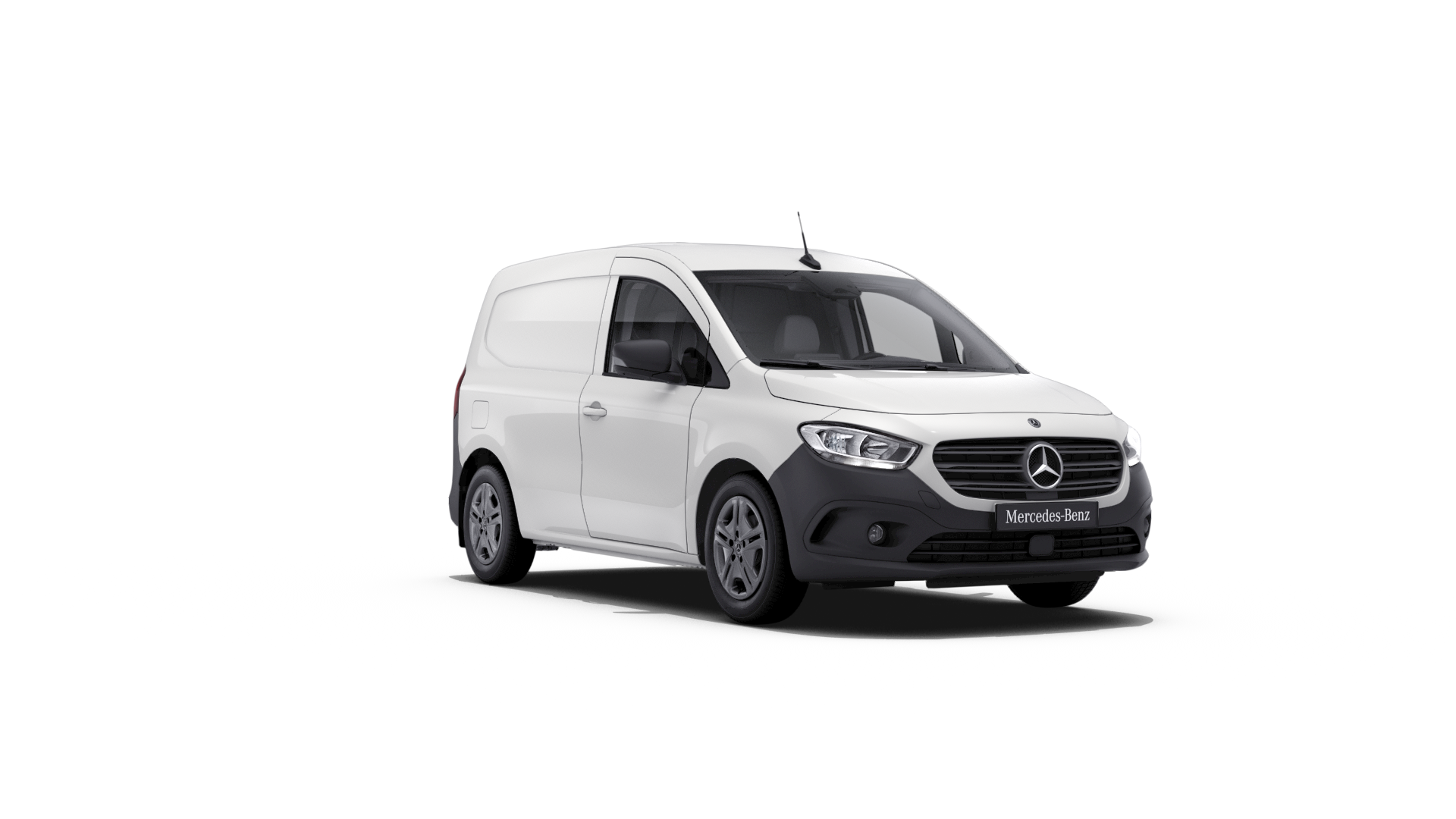
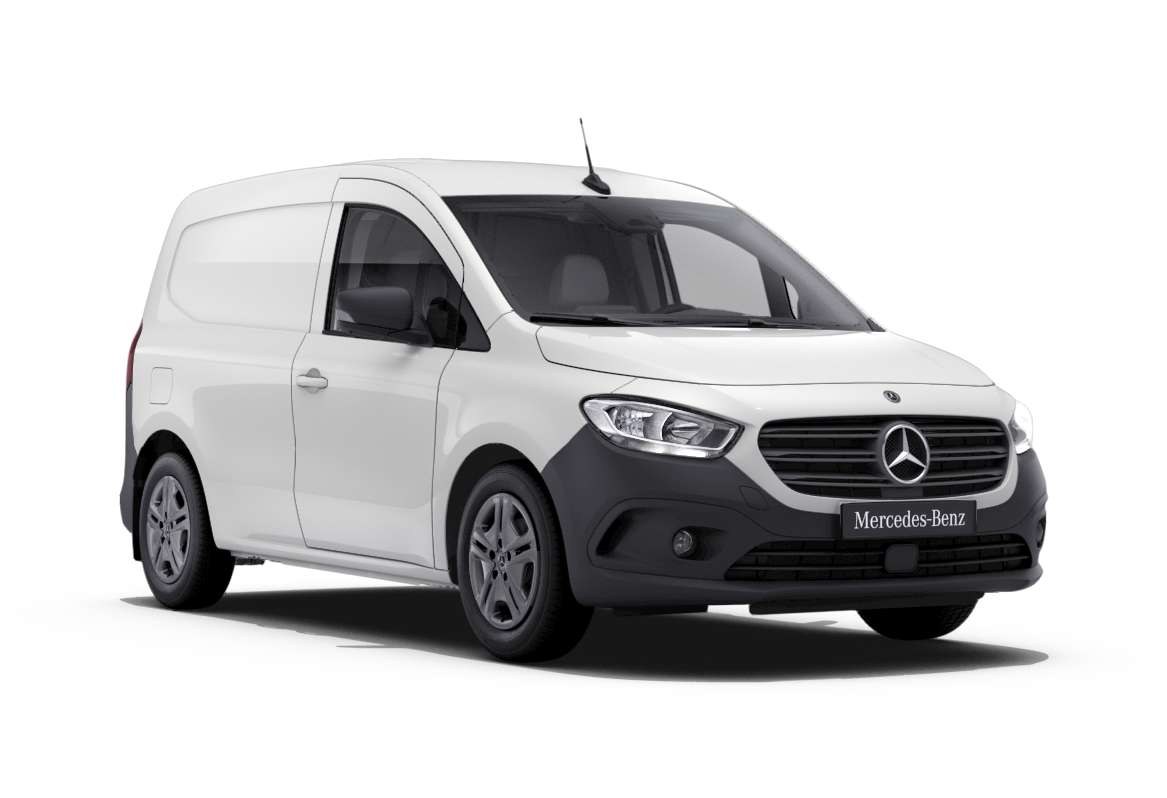
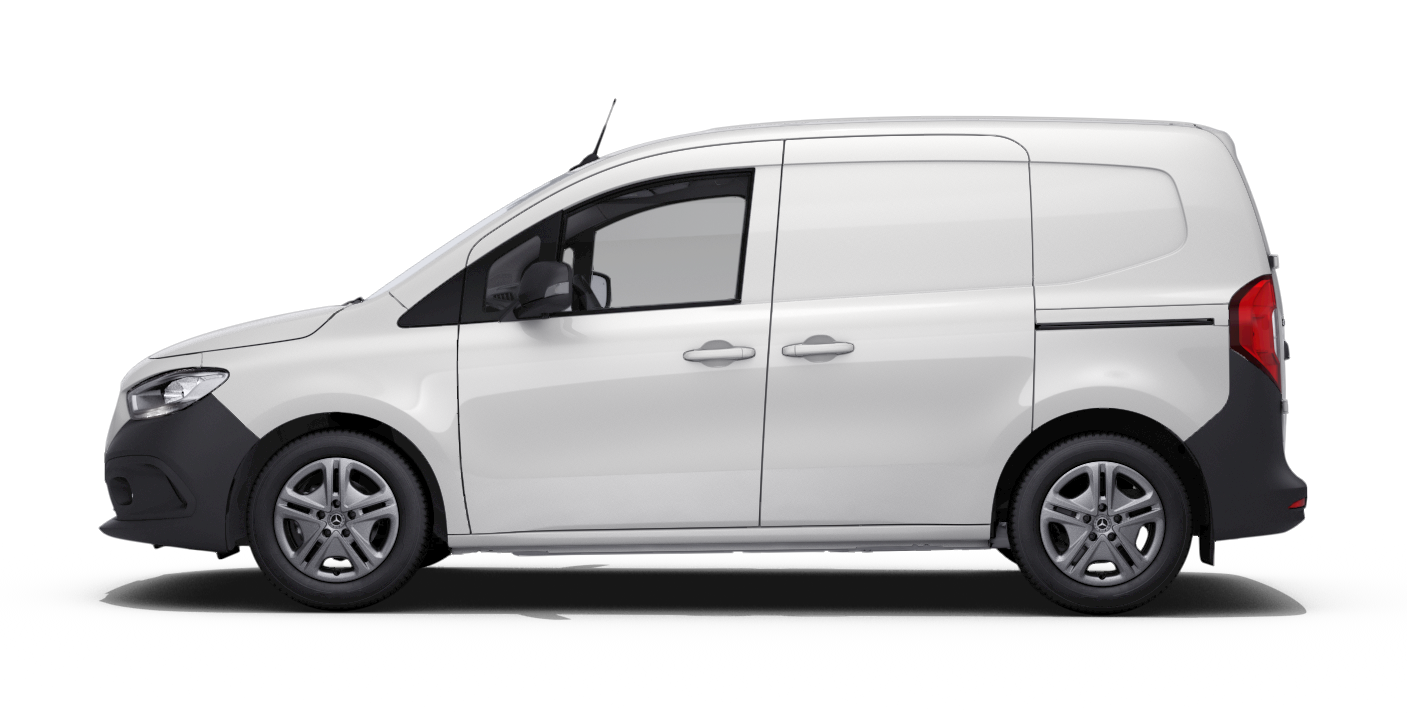
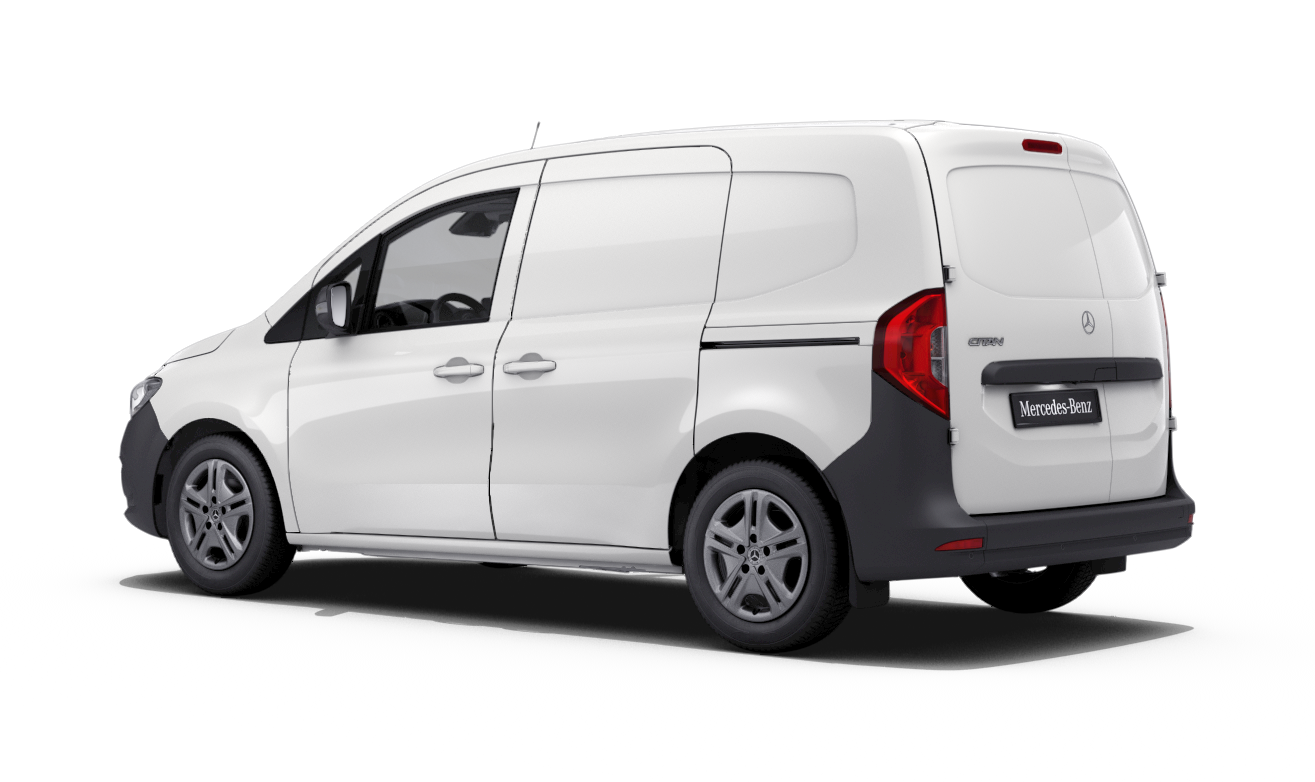
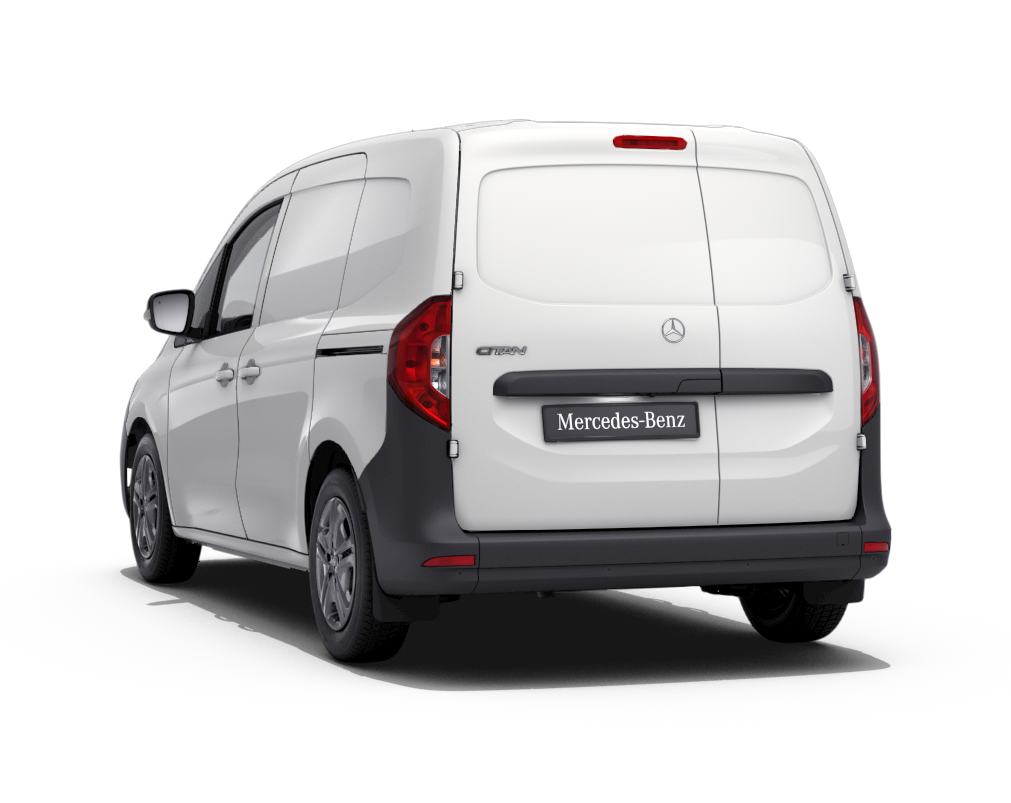
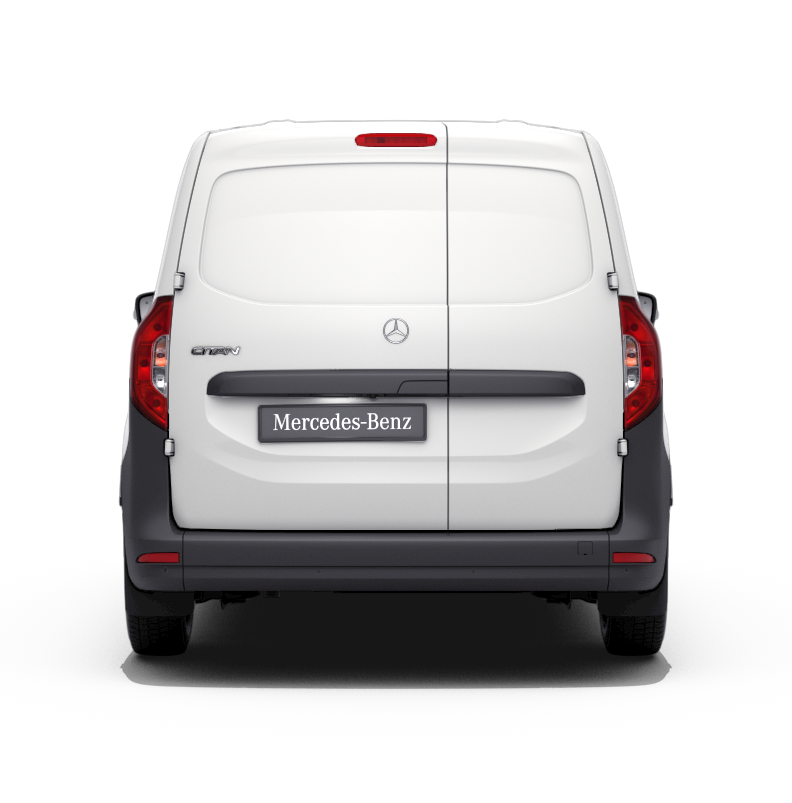
110 Van L1 PRO

Make a vehicle deposit
Make an enquiry
Technical Data
The unique quality of this vehicle is based on various technical aspects. Review its specific values and see if they suit you and your requirements.
- Engine
- Citan 110 CDI
- Doors
- 6
- Seats
- 2
- Body Type
- Panel Van
- Brand
- Mercedes-Benz
- Model
- Citan
- Model Description
- 110 Van L1 PRO
- Type Class
- P420
- Baumuster
- 42062323
- Tank capacity (series)
- 54 l
- Turning circle
- 11.2 m
- Length
- 4,498 mm
- Width (with mirrors)
- 2,159 mm
- Height
- 1,838 mm
- Wheel base
- 2,716 mm
- Width (without mirrors)
- 1,859 mm
- Width (retracted mirrors)
- 1,919 mm
- Load compartment length
- 1,806 mm
- Load compartment width
- 1,524 mm
- Load compartment height
- 1,256 mm
- Payload (EU)
- 740 kg
- Perm. gross vehicle weight
- 2,230 kg
- Kerb weight (EU)
- 1,490 kg
- Front axle load
- 1,170 kg
- Rear axle load
- 1,260 kg
- Drive type
- Front-wheel drive
- Fuel Type
- Diesel
- Power
- 70 kW (95 HP)
- Engine size
- 1,461 cm³
- Top speed
- 164 km/h
- Torque
- 260 Nm
- System output in kW
- 70 kW
- System output in hp
- 95 HP
- Cylinder
- 4
- Transmission
- Manual
- Number of gears
- 6
- Engine Concept
- Diesel
- Total CO2 emission (combined operation)
- 137 g/km
- Total consumption (combined operation)
- 54.3 mpg
Since September 1, 2017, certain new vehicles have been type-approved in accordance with the Worldwide Harmonised Light Vehicles Test Procedure (WLTP), a more realistic test procedure for measuring fuel consumption and CO2 emissions. Since September 1, 2018, the WLTP has been gradually replacing the new European driving cycle (NEDC). Due to the more realistic test conditions, the fuel consumption and CO2 emission values measured according to the WLTP are in many cases higher than those measured according to the NEDC. This can result in corresponding changes in vehicle taxation. Currently, the NEDC values are still mandatory to communicate. As far as new vans are concerned that are type-approved according to WLTP, the NEDC values are derived from the WLTP values. The additional specification of the WLTP values can be made voluntarily until they are required to be used.