What is Euro 6?

If you’ve ever asked, “what is Euro 6?” or “what does Euro 6 mean?”, it refers to a set of European emissions standards designed to reduce harmful pollutants from vehicles. These standards apply to vans, cars and other light commercial vehicles, with a strong focus on improving air quality.

Euro 6 specifically limits emissions such as nitrogen oxides (NOx), carbon monoxide (CO), hydrocarbons and particulate matter. These pollutants are known to contribute to air pollution and health issues, particularly in urban environments.

The Euro emissions standards have evolved over time, from Euro 1 in the early 1990s through to Euro 6 today. Each stage has introduced tighter limits and more advanced testing procedures. For vans, Euro 6 became mandatory for all new registrations from September 2016.

Today, Euro 6 vans represent the minimum standard required for driving in many UK cities without incurring daily charges.
What changed with Euro 6?

The biggest change with Euro 6 was a significant reduction in nitrogen oxide emissions from diesel engines, alongside more real-world testing.

Euro 5 vs Euro 6 (diesel vans):

  • Nitrogen oxide limit: Reduced by over 50%
  • Testing: Introduced stricter, real-world driving checks
  • Technology: Required advanced emissions control systems


In short, Euro 6 diesel engines are far cleaner and more efficient than previous generations.

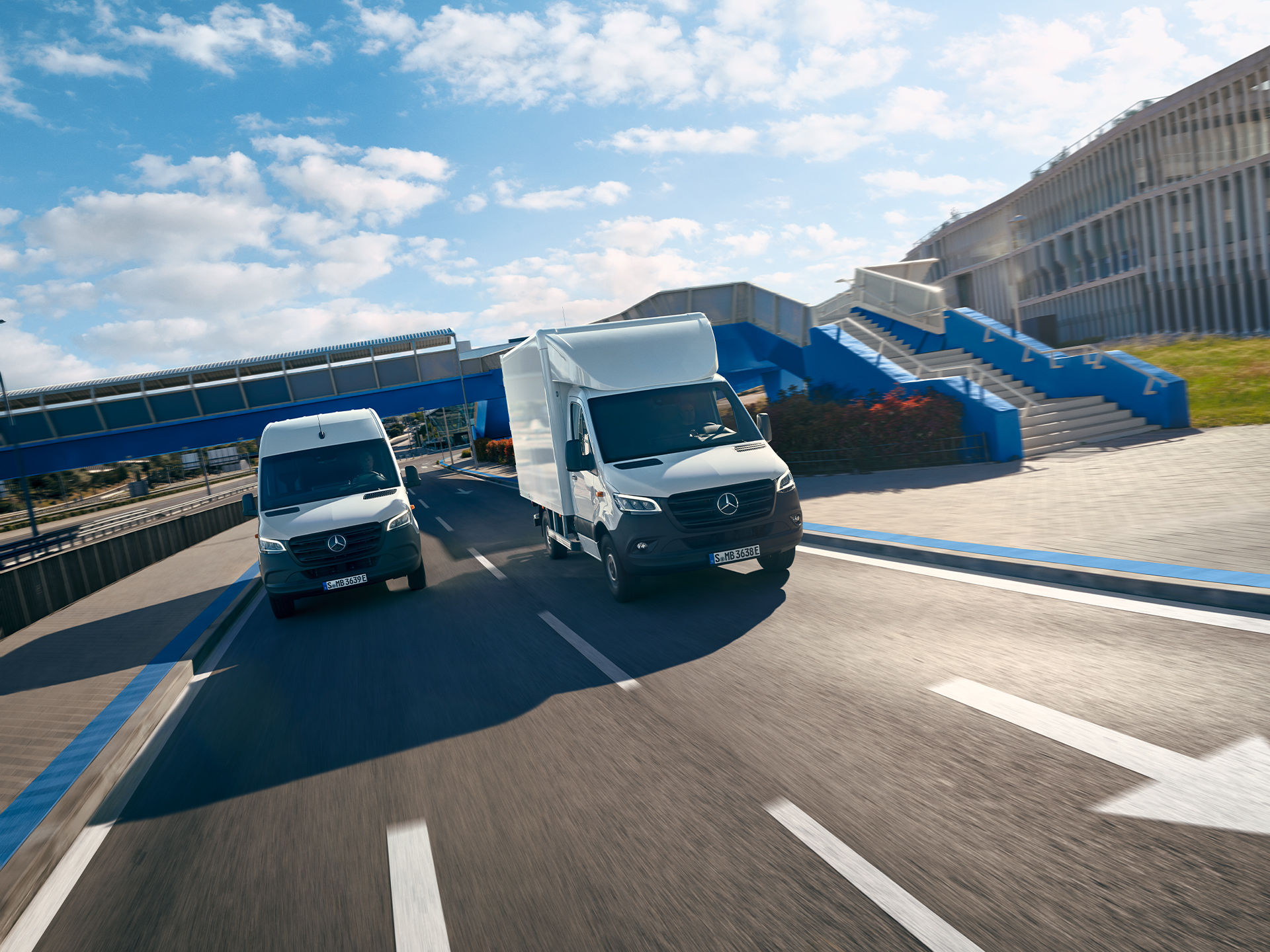
Two white Mercedes-Benz vans driving side by side on a multi-lane road under a blue pedestrian bridge with stairs.

Why Euro 6 matters for van drivers and businesses.

For businesses, Euro 6 emissions standards have direct, real-world implications. Most importantly, they determine whether your van can enter Clean Air Zones and London’s Ultra Low Emission Zone (ULEZ) without paying daily charges.

Operating a Euro 6 compliant van helps:

  • Avoid ULEZ and Clean Air Zone penalties
  • Maintain access to urban areas
  • Reduce environmental impact
  • Protect resale value 


From a cost perspective, upgrading to a Euro 6 van can reduce long-term expenses by avoiding daily charges and improving fuel efficiency. It also ensures operational flexibility, particularly for businesses working across multiple cities.

While Euro 6 remains the current standard, many businesses are also beginning to consider electric vans as part of their long-term strategy.

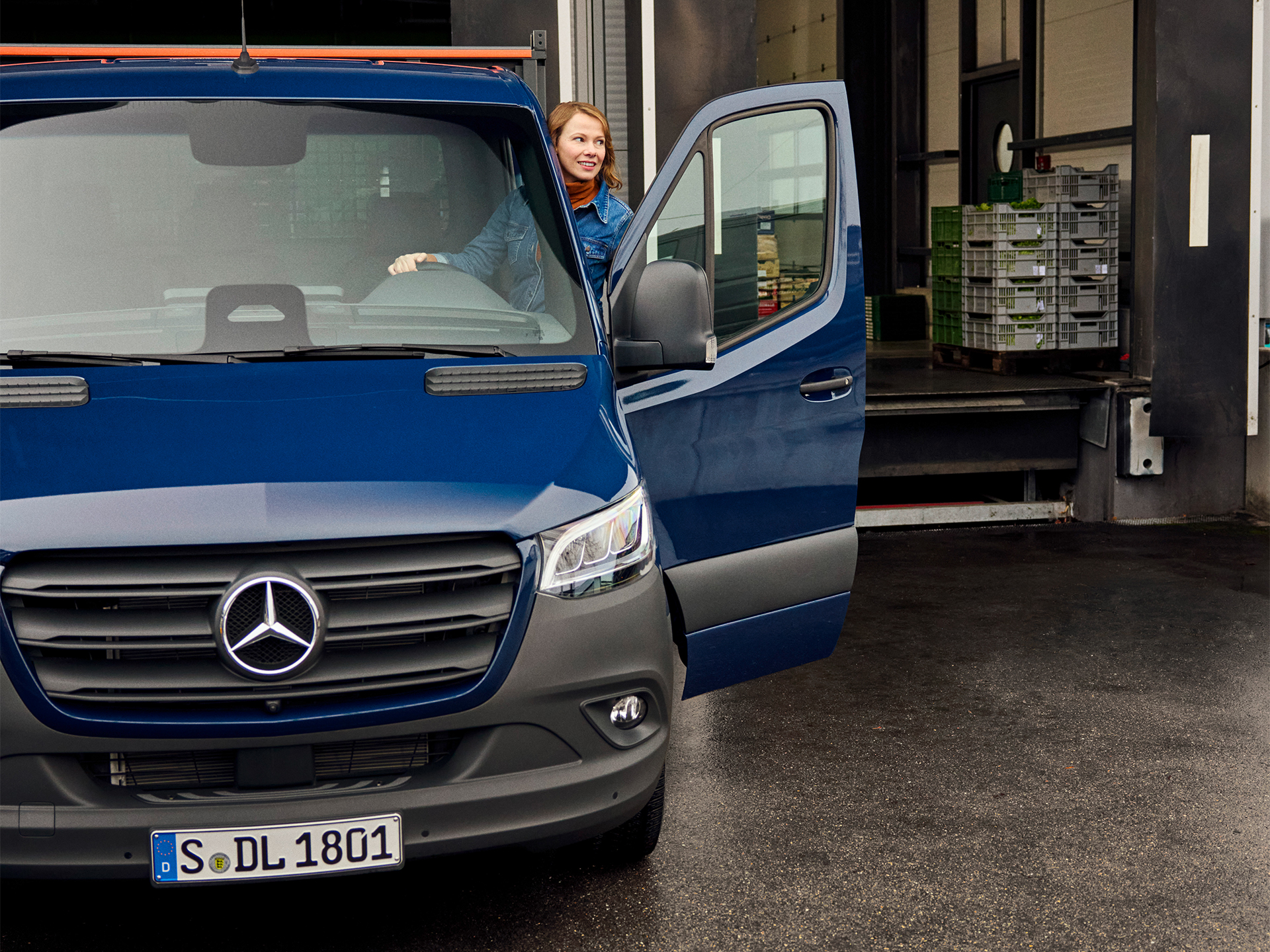
A blue Mercedes-Benz van parked outside a loading dock with its front passenger door open and a person partially visible entering or exiting the vehicle.


How Euro 6 diesel vans meet emissions standards.

Modern Euro 6 diesel vans use advanced emissions control technologies to significantly reduce pollutants while maintaining performance and efficiency. Ignoring warning lights can allow small issues to develop into more serious faults, increasing repair costs and downtime.

What is AdBlue and do you need it?

AdBlue is a specially formulated fluid used in most Euro 6 diesel vans to reduce harmful emissions. It works as part of the Selective Catalytic Reduction (SCR) system, breaking down nitrogen oxides into harmless gases.

For van owners, AdBlue is easy to manage:

  • It’s stored in a separate tank
  • Needs periodic refilling (typically every few thousand miles)
  • Dashboard alerts notify you when levels are low


If AdBlue runs out, your van may not start or could enter a restricted performance mode until it’s refilled. However, this is designed to ensure emissions compliance rather than cause inconvenience.

00:00 / 00:00

Euro 6e, WLTP and RDE explained.

As emissions standards have evolved, testing methods have become more accurate and reflective of real driving conditions. Together, the below standards ensure that Euro 6 compliant vans deliver low emissions not just in theory, but in real-world driving conditions.

Is your van Euro 6 compliant?

If you’re unsure whether your vehicle meets Euro 6 emissions standards, there are a few simple ways to check.

Most vans registered from September 2016 onwards are Euro 6 compliant. However, some earlier models may also meet the standard depending on their engine specifications.

To confirm:

  • Check your V5C logbook for emissions information
  • Use official online vehicle checkers (e.g. ULEZ checker)
  • Contact your manufacturer or dealer

Ensuring your van is Euro 6 compliant is essential for avoiding charges and maintaining access to restricted areas.

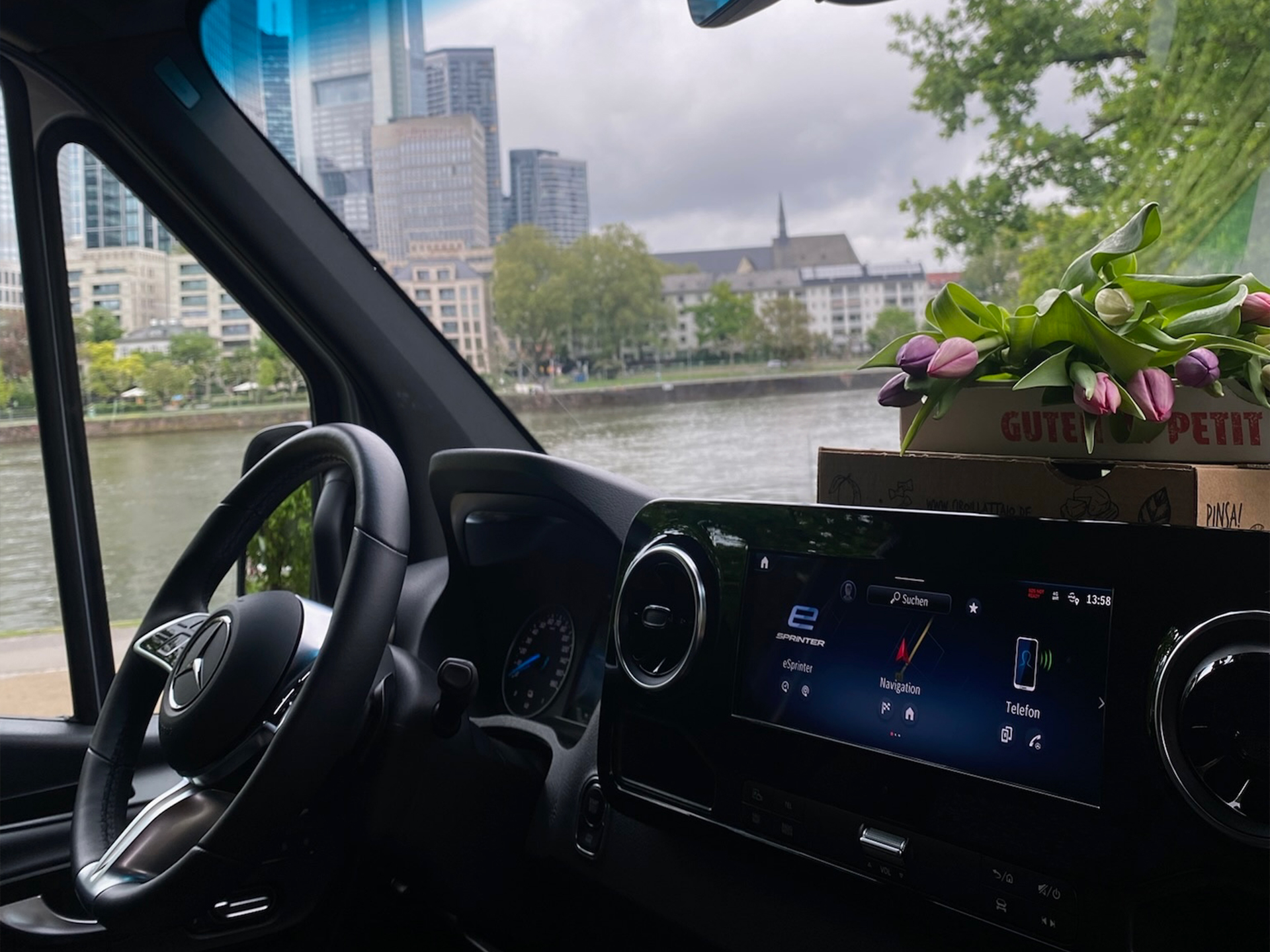
The interior of a Mercedes-Benz vehicle focusing on dashboard and steering wheel with cityscape and river visible through window.

Euro 6 vs electric vans: which is right for your business?

Choosing between a Euro 6 diesel van and an electric van depends on how and where you operate:
While Euro 6 vans remain a practical and flexible choice, electric vans offer zero tailpipe emissions and are increasingly attractive for future-focused businesses.

What is the future of Euro emission standards?

Emission regulations across Europe are continuing to tighten, with the introduction of Euro 7 set to place even stricter limits on vehicle pollutants. Alongside national regulations, many cities are expanding low and zero-emission zones, making compliance increasingly important for businesses operating vans in urban areas.

While Euro 6 vehicles remain fully compliant today and are likely to stay suitable for many years, the long-term direction of travel is clear: greater electrification and a shift toward zero-emission mobility. As a result, more businesses are beginning to consider electric vans as part of their future fleet strategy.
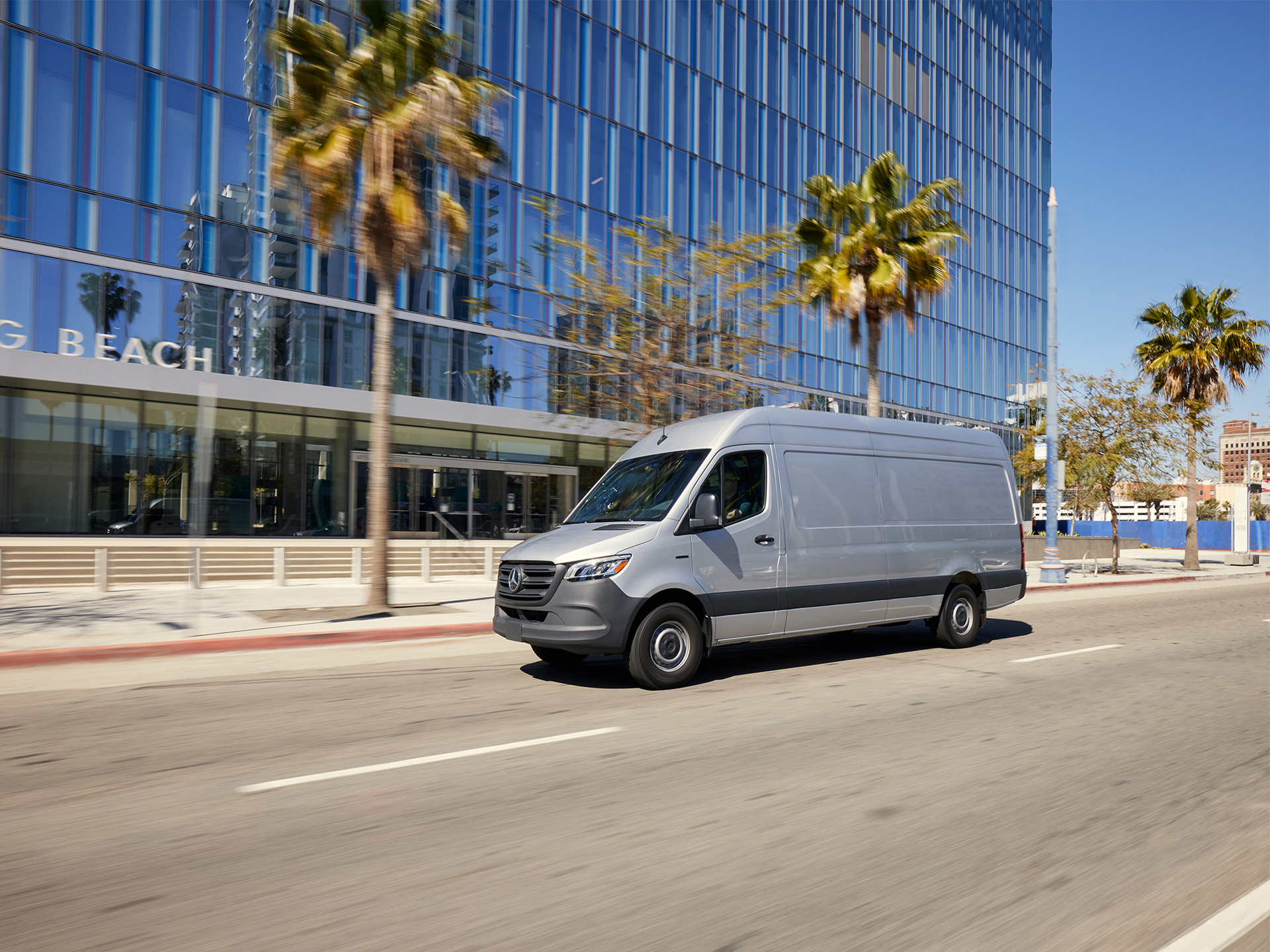
Silver Sprinter van driving on a city street lined with palm trees and modern glass buildings.

Explore the Mercedes-Benz Euro 6 diesel & electric van range.

Choosing the right van depends on your business needs, including mileage, payload, operating environment and budget.

Euro 6 vans continue to offer reliability, efficiency and flexibility, particularly for longer journeys and demanding workloads. Meanwhile, electric vans provide a forward-looking solution for urban operations and sustainability goals.

Mercedes-Benz offers a wide range of options to suit every requirement.
Grey Mercedes-Benz van parked distant city skyline under a clear blue sky on an open rooftop parking deck beside a modern charging station.

Frequently asked questions about Euro 6 standards for vans.

Most current Mercedes-Benz vans meet Euro 6 emissions standards, including diesel models across the range. For full details, check individual model specifications or speak to your local dealer to confirm compliance.
In most cases, yes—Euro 6 diesel vans meet ULEZ requirements. However, compliance depends on specific emissions levels rather than the Euro rating alone. Always check your vehicle using official tools before driving in restricted zones.
The right choice depends on your business needs. Euro 6 vans are well suited to long-distance and heavy-duty use, while electric vans are ideal for city driving and reducing emissions. Many businesses now use a mix of both to balance flexibility and future readiness.